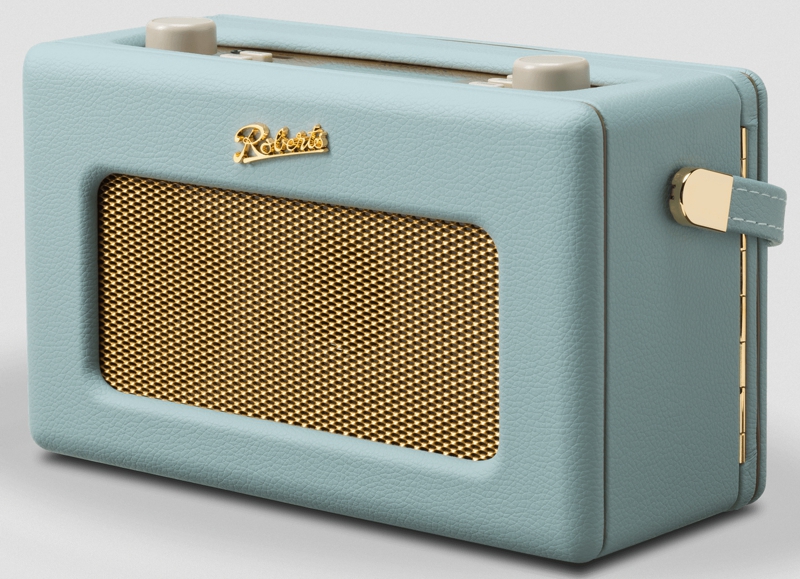
These days we are fortunate that there are about as many radio stations for every music genre as there are styles of radios.
A radio can be the ideal companion whether you are in the kitchen whipping up your favourite dish, pottering in the garden, following the latest football scores, or just relaxing with a glass of wine watching the sun set. It is strange to think of a car that wouldn’t have a radio in it. You have your regular stations broadcasting all day long so you know what the weather and traffic are doing.
Then there are pop-up radio stations for events such as air shows, proms in the park and fireworks. There are still broadcasts on Medium Wave and Long Wave fulfilling the needs of cricket fans across the country. Internet radio means you can listen to local stations when you are on the other side of the world.
Digital Audio Broadcasting
DAB digital radio has not yet taken off like digital television. Many television viewers would not want to go back to analogue TV now, but the majority of radio is still being listened to via analogue signals. This is partly because the coverage of FM signals is broad across the UK. Whilst DAB offers more choice, it is an all-or-nothing affair when it comes to signal quality. Listening to a slightly fuzzy FM station could be a better option than trying to listen to a multitude of digital stations that you just cannot get.
At some point the government will switch over from analogue to digital, just as it has done with television. There are two main criteria that must apply:
- Digital radio listening figures to hit at least 50% (which includes listening through the TV and Internet)
- National DAB coverage to match that of FM and local DAB to reach 90% of the population and all major roads.
Current digital listening is a few per cent short of the target, and coverage of digital radio has been steadily increasing to meet the criteria. There will be a period of two years for the switchover to take place from when it is announced. It will not take place overnight. Although Norway is already in the process of switching over to digital, in the UK it is unlikely before 2020.
Whilst digital radio will clearly take over, there are some technological considerations. The aforementioned all-or-nothing signal problem will gradually be resolved as stronger signals from more transmitters are broadcast. The sound quality, although clearer without hiss and crackle, is not any better than a good FM signal. DAB radios take more electric power to run, which may be an issue if you are running your radio off batteries. Cost and power will both come down with manufacturing advances.
A compelling reason for going DAB is there’s a greater choice of stations which are easy to access with the push of a button. This is especially useful if you like to station hop. DAB radios can display extra information such as artist and track names. And the audio quality is better than AM radio.
At Tylers we have radios that cover LW, MW, SW, FM, DAB and Internet radio, along with alarm clock radios.