Christmas and War are all about the people
 nova
22 November 2017
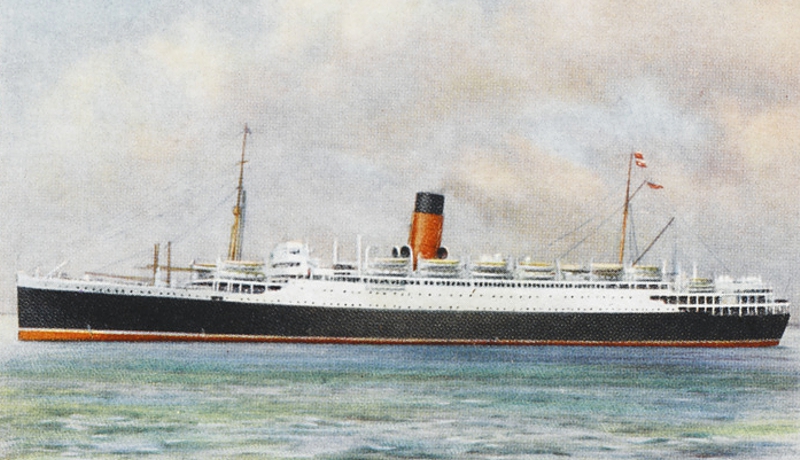
Operation Dynamo – the evacuation of 340,000 allied soldiers from the beaches and harbour in Dunkirk in May/June 1940 was hailed as a triumph in defeat, after the German army had invaded France.
However, at the time, in order to hold on to that piece of good news, nothing was said about the 100,000 or more allied soldiers who had been left behind. What is surprising is how this neglect persisted for decades afterwards, cloaking Britain’s worst maritime disaster in ignorance, even to this day.
With little support, those left behind made their own way to the west coast of France. Operation Ariel – the subsequent evacuation from the west coast was “an even more convincing demonstration of sea power” than Dunkirk. However, the sinking of the Lancastria on 17 June 1940 prevented this second evacuation from being publicised.
The Lancastria troop ship was a Cunard cruise liner that had originally been designed to carry 2,500 passengers. During the evacuation from St Nazaire, c. 8,000 to 9,000 people were taken aboard but the ship was sunk in the estuary by German dive bombers. More than 4,000 people lost their lives when the ship overturned and then sank, 50% more than the combined losses of the Titanic (1,517 people) and Lusitania (1,198 people).
Churchill silenced the press and the survivors were threatened with the Official Secrets Act. The vast majority of the surviving soldiers, airmen and seamen, who lived for decades after, eventually died without ever telling their wives and children.
The heroic stories of men swimming through burning oil that floated on the sea, or people standing on the upturned hull of the ship singing There’ll Always be an England and Roll Out the Barrel, to swooping German planes that gunned them in cold blood, is remembered during a memorial service that only takes place in France.
Stories emerged like that of Wally Smith whose body was washed ashore and secretly buried by the French but not known to his family until 1998 when English tourists heard about the French villagers ‘English body’ and then discovered Wally’s army dog tags.
When Captain Clement Stott returned home to Wales wearing a uniform that was 5 sizes too small and covered in oil, the first thing his wife said when she saw him was, “You know, Clem, that battledress doesn’t fit … and you need a haircut.” So on the way home, they stopped at the barbers who said, “Bit greasy your hair, Sir, isn’t it?”
When the Lancastria’s Chief Officer Harry Grattidge made it back to Plymouth in just his woollen underwear he bumped into the Chief Engineer wearing just a patrol jacket. Each man thought the other had been killed. Harry recalled that the two men pumped hands and ‘grinned at one another like fools unable to speak.’
The Christmas Truce of WWI in 1914 is often celebrated as a symbolic moment of peace in an otherwise devastatingly violent war but it was never repeated because of concerns about men losing the will to fight. Christmas is a time when you get homesick – even when you’re home. Instead of being a time of unusual behaviour, Christmas is perhaps the only time in the year when people can obey their natural impulses and express their true sentiments without feeling self-conscious. Christmas is a time for family and a time for remembrance.
The Head Quarters Team – Donna, Amy, Tiffany, Emma and Kelly value your business and wish all clients the very best for Christmas and the New Year. •