What a summer of sport we are having with so much to feel positive about thanks to some stunning performances from British athletes across numerous disciplines. But as these young people, from as young as 13 years old at the Olympics, reach for the top of course it raises questions about mental health, resilience, and striking a balance.
These 13 year-olds are winning medals through hard work, determination, and a can-do attitude, but, I imagine, most athletes understand that is impossible to do that without feeling a fair amount of pressure. To reach those dizzy heights of success pressure is almost unavoidable.
But those skills needed to cope are developed over time, and the right support in place at a young age is vital to help youngsters do just that.
Now, while famous athletes are in the public eye making us all aware of the pressure they face, there are very few jobs, or at least those with a degree of reward and satisfaction at doing your best, that come without a certain amount of pressure. In fact, very few things in life that are done well are without the necessary balancing act between your own needs, those of others, and pushing yourself to do better.
So it is important that schools look to not just teach children to pass exams but to give them those life skills and awareness of the privilege of competing at a top level.
As a headteacher who has worked within education for a number of years and as a father of three children, I believe that starts with creating an environment in which a child can feel happy with their own abilities, how far they think they can take them and knowing they can and will fail as part of a journey to do their best. And will do so without losing any of the support that has encouraged them to stretch that little bit further in the first place.
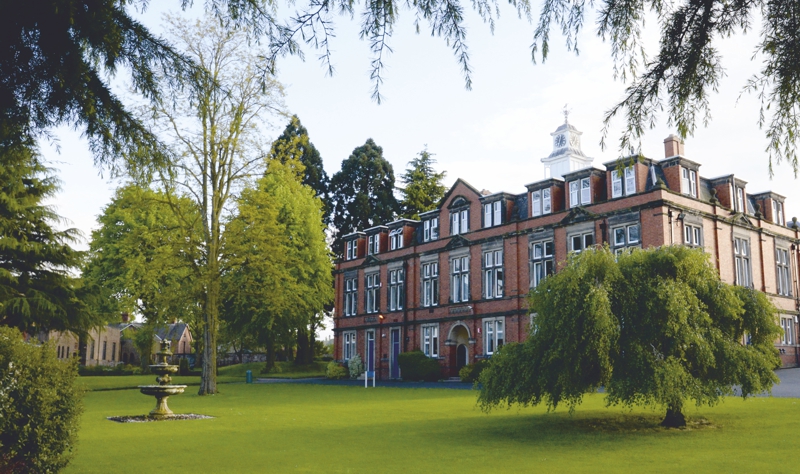
At Wrekin College, we have numerous children who compete at regional, national, and international levels in a variety of sports and disciplines from athletics and netball to golf and Irish dancing.
It is crucial to get it right during these formative years for those students and those looking to be at the top of their game in music, drama, art, and academia.
From the very beginning in Wrekin’s own Lancaster House, specifically for years seven and eight, we have a learning system and challenge grade review structure which sees children, with support from staff, set their own goals and review how they are getting there. They are taught not just to aim for results but to enjoy the merits of how they get there and what they can learn from any mistakes they make along the way. It’s an ethos we carry across the school.
Hard work and self-awareness become the source of contentment and determination rather than just the results which do happen when a child is happy and thriving. And in the process, staff get to know the children so well that they can spot the signs of struggling, they can see to regroup and take a different approach if needed before a crisis point is reached. Our teachers find doing it this way also encourages children to try so many more things than just those they perhaps feel comfortably good at, and it gives them options and a feeling that opportunities are always open to them even when things go wrong. It can prevent a narrow approach to life which can make the sport or discipline they once loved start to feel like the only thing they have to offer. That’s when the doubts creep in and when success starts to feel like a poisoned chalice. That’s the last thing we ever want for our children.
by Tim Firth, Headmaster at Wrekin College