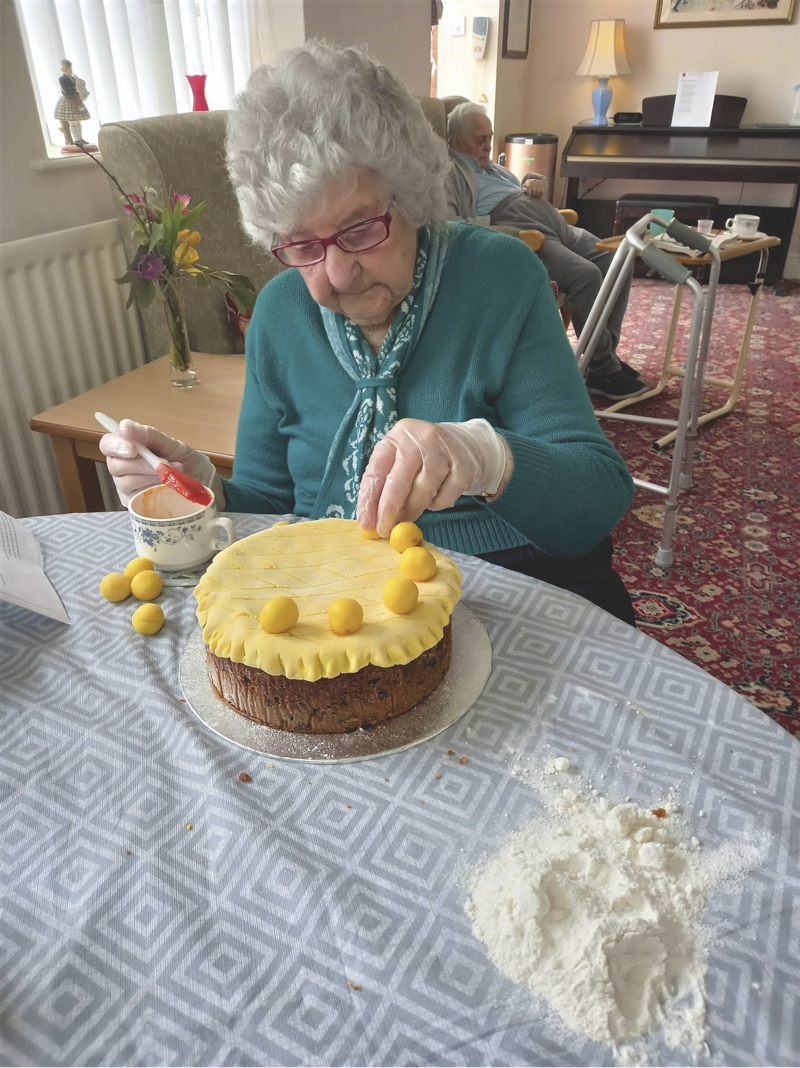
As we prepare for our first party since 2019, Easter afternoon tea, I would like to share with you the following bit of good news. In the last couple of days, the Government has sent out further guidance that lifts many of the remaining restrictions placed on care settings, including the need to test staff. Our few experiences of COVID infections over the last few months have been that not a single resident has been particularly ill, and many displayed no symptoms at all. We are therefore delighted to embrace the new freedoms, and will enjoy our first party since 2019, on Easter Sunday!
This month I thought it would be useful to talk about The importance of Respite Care; what it is, and why it is so important. The Oxford Dictionary defines the word ‘respite’ as ‘a short period of rest or relief from something difficult or unpleasant.’ In the context of care, it is largely referred to as giving a much-needed break to those that provide the care, such as family or friends.
If you are caring for a loved one, then you will appreciate the level of responsibility, effort and often anxiety it involves, and how it is both tying and exhausting, especially if they live with you. Often the needs of the individual will increase over time, but they are your loved one, and even though YOU NEED a break to recharge, discussing the possibility of them spending a week or two in a care facility is a very difficult conversation to have – from both sides.
This is where care homes that offer respite for people can help. They can offer the person in need of care a safe and fun place to stay whilst their family/friends recharge their batteries, have a holiday, visit a relative, have some building work done, or just have some personal time.
Often the concern is that a period of ‘respite’ in a care home will be a bad experience for the individual (they won’t like it), but we tend to find that, despite the initial fears, more often than not it turns out to be a very positive experience. They are placed in an environment with peers, so they can make friends, get involved in activities, they have company (loneliness is a real issue, especially if families go out to work), whilst receiving professional care 24/7.
It is important to note that respite care can be good for care homes too (not simply temporarily filling a bed vacancy). It is a great introduction for the client to residential care, especially if they embrace what the home can offer them and they enjoy themselves. It means that they will not be fearful the next time. When they return home, they will likely share their positive experience with their friends, and crucially, if they eventually need full-time residential care then they (and the whole family) will be confident in their care and much more likely to embrace it as a positive step. So, if the care home delivers a good experience, then they will receive good personal reviews and possibly a permanent resident in the future.
Of course, the person or people that get the break from caring have a much-needed recharge period, and will undoubtedly be very keen and happy to get their loved one back home once recovered.
Respite is often funded by the Local Authority, because it is recognised that everyone needs a break and they recognise the huge contribution that family carers make to the individual and the local economy. My advice would be to ask for a Social Worker assessment.
The message is ‘don’t be fearful of respite and don’t feel guilty asking for it, we all need to rest in order to perform’!
To close – a bit of personal news
I’d like to finish this article with a Sambrook House event; on 5th April, my wife and I celebrated 18 years of owning the care home, and to mark the occasion we bought all our staff a bottle of Prosecco. It was a total surprise to everyone and a real pleasure to have everyone celebrate this personal milestone with us. Any home is only as good as its team, and they are all very deserving!
by Neil Robson, Director
Sambrook House Residential Care Home