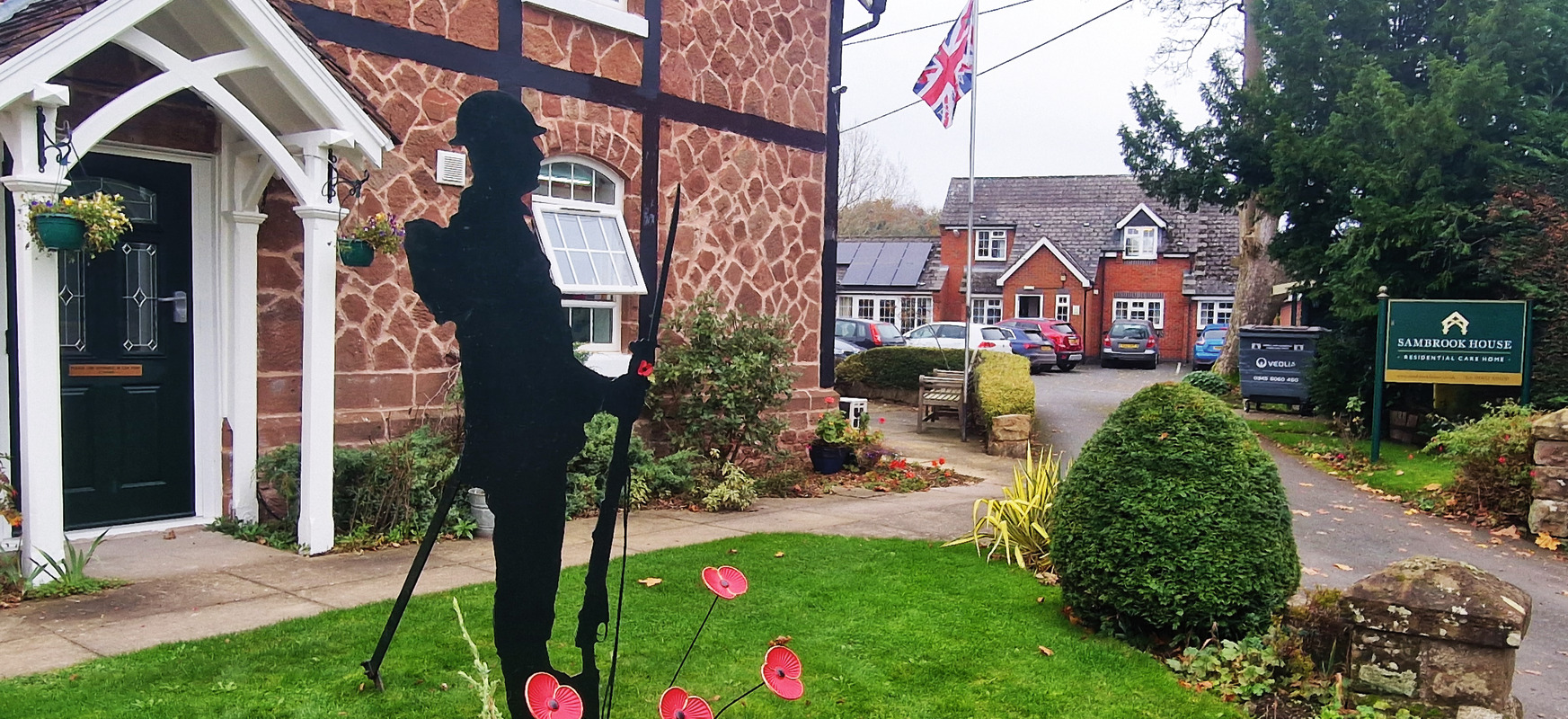
Recently, it was Remembrance Sunday, a very important date in the calendar of an Elderly Residential Care Home. At Sambrook House, everyone sported a poppy and many watched the ceremony from the Cenotaph on TV and observed the two-minute silence. A very solemn occasion where we gave thanks to those who fought for us, both past and recent. But it was also an opportunity to recall memories and spark conversations.
It is important that care homes remain connected with society’s commemorations, celebrations, and religious festivals. These events not only keep people grounded in the real world, but they also create opportunities for crafts, decorations, card making, quizzes, conversations, and so on.
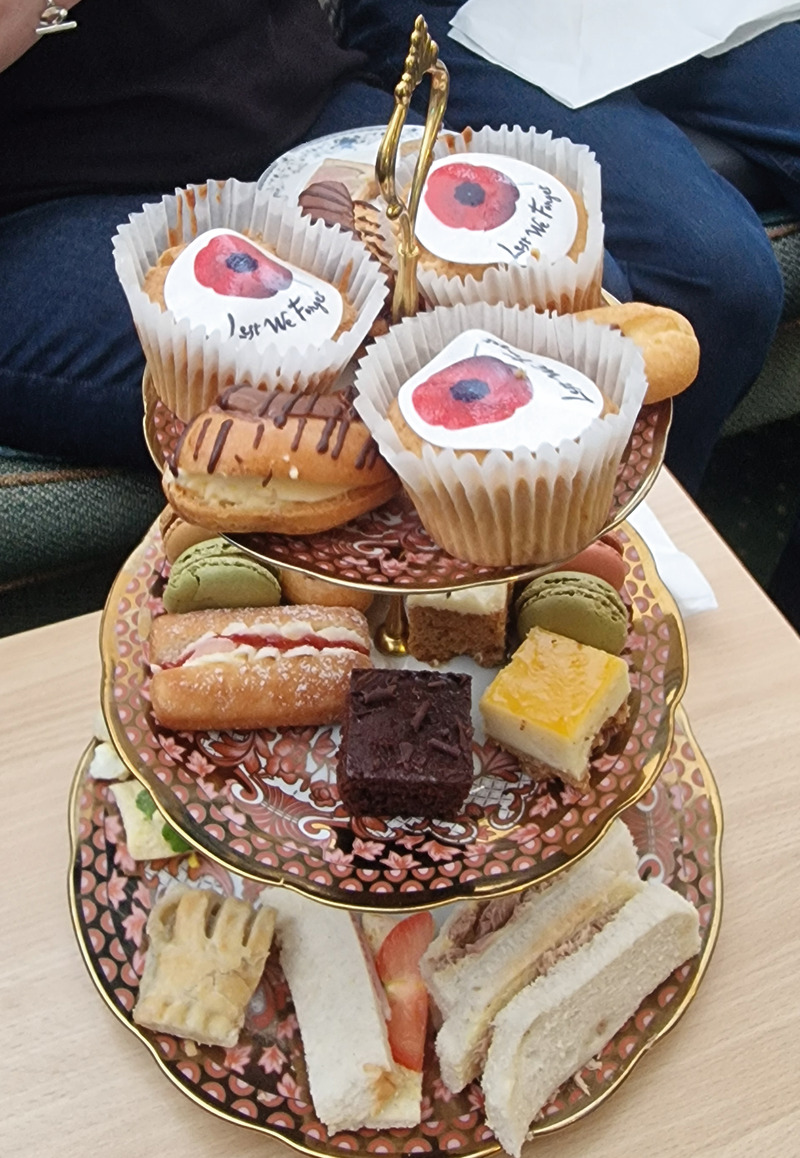
We decided to use the day to bring families and friends together by inviting people to an afternoon tea party. It was lovely to have a full conservatory and lounge, with everyone talking and eating together. A busy but brilliant three hours!
Many care homes will be formulating their plans for the Christmas festivities and we are no exception. By the time this goes to press we will have all the Christmas decorations up, presents for our residents bought, and we will be preparing to host a couple of parties, a couple of Church services, and our residents will be involved in making decorations and Christmas Cards, and so on (for next month’s article).
The price of care will have to rise
I try to avoid being ‘political’, but I thought it would be useful to make reference to Labour’s budget announcement earlier this month, as it may help explain what I predict will be significant care fee rises in April. Care Companies run on staff and so we are all profoundly affected by the decision to raise the Employer’s National Insurance contributions as well as the usual, inflation-busting, National Living Wage.
Labour is raising the Employer’s NI by 1.2% to 15% of gross earnings. This element (at today’s wages) will cost us just over £500/yr and is manageable. The sting is that they will almost halve the threshold at which Employers NI begins, from £9,100 to £5,000. This means for every employer there will be an additional 15% on £4,100, and for us it equates to almost £13,000/year.
Everyone wants a pay rise, but National Living Wage will increase by another inflation-busting 6.73%. This will affect everyone’s pay, as organisations maintain a seniority uplift. Finally, there are additional costs such as Employer’s Pension Contributions, Sick Pay, training etc. Our overall staff costs will actually increase by over 9% when everything is considered.
The thing is, I really would not mind if people were going to be better off; but I cannot see how, because companies must raise this money, so either they grow their turnover, increase their prices, or reduce their costs or profits (or a combination). The care sector must maintain prescribed staffing levels, but I can predict many employers outside the sector making some difficult decisions around staff numbers and costs. I am not an economist, but Labour peddled this as a ‘budget for growth’, however, it is surely the country’s companies that generate growth and they are about to see operating costs rocket.
Speaking on behalf of the local care sector, I hope that Central Government funds our Local Authorities appropriately so that they in turn have the funds to meet these significant, Government imposed, costs.
Christmas is coming
Still, roll on Christmas…I love it and I cannot wait!
by Neil Robson, Director
Sambrook House Residential Care Home