Gum Disease – a hidden problem
 nova
21 February 2025
Gum disease is a very common condition, yet people are often unaware they have it. Early diagnosis can make a big difference, so it’s important you recognise the signs and know what to do about them.
What causes gum disease?
Gum disease is mostly caused by poor oral hygiene that allows bacteria in plaque and calculus to remain on the teeth and infect the gums. But there are other factors that increase the risk. Smoking, diabetes, stress, and pregnancy can also have an effect on your gums.
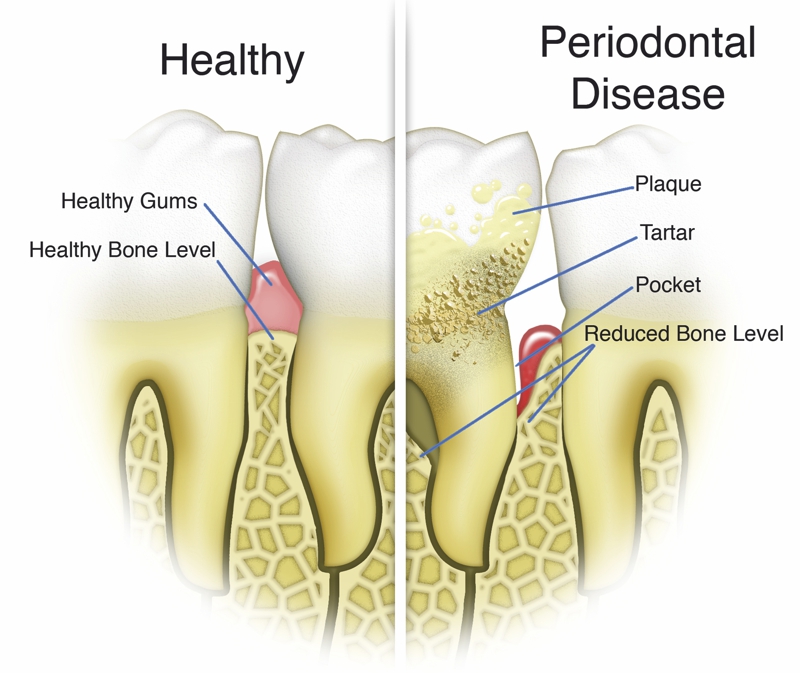
Gum disease is caused by plaque, a sticky film of bacteria that constantly builds up, on and in between your teeth. If left unchecked, plaque will irritate the gums leading to redness and soreness. If allowed to continue, gum disease can cause serious problems. The gum may start to come away from the tooth creating ‘pockets’ around it where even more plaque can grow. Over time, these pockets deepen, gums continue to recede, and teeth can become loose.
What is gingivitis?
Gingivitis means ‘inflammation of the gums’. This is when the gums around the teeth become very red and swollen. Often the swollen gums bleed when they are brushed during cleaning.
What is periodontal disease?
Long-standing gingivitis can turn into periodontal disease. There are a number of types of periodontal disease and they all affect the tissues supporting the teeth. As the disease gets worse the bone anchoring the teeth in the jaw is lost, making the teeth loose. If this is not treated, the teeth may eventually fall out.
What happens if gum disease is not treated?
Unfortunately, gum disease does not usually cause pain as it gets worse so you do not notice the damage it is doing. However, the bacteria are sometimes more active and this makes your gums sore. This can lead to gum abscesses, and pus may ooze from around the teeth. Over a number of years, the bone supporting the teeth can be lost. If the disease is left untreated for a long time, treatment can be more difficult.
How do I know if I have gum disease?
The first sign is blood on your toothbrush or in the rinsing water when you clean your teeth. Your gums may also bleed when you are eating, leaving a bad taste in your mouth. Your breath may also become unpleasant.
What do I do if I think I have gum disease?
The first thing to do is visit your dental team for a thorough check-up of your teeth and gums. They will measure the gum around each tooth to see if there is any sign that periodontal disease has started. X-rays may also be needed to see the amount of bone that has been lost. This assessment is very important, so the correct treatment can be prescribed for you.
What treatments are needed?
Our hygienists will remove all plaque and tartar from your teeth. You will also be shown how to remove plaque successfully yourself, cleaning all the surfaces of your teeth thoroughly and effectively. This may take a number of sessions with the hygienist. A good oral care routine at home with brushing and interdental cleaning is the most important thing you can do to help prevent gum disease from getting worse.
I have heard gum disease is linked with other health conditions – is this true?
In recent years gum disease has been linked with general health conditions such as diabetes, strokes, cardiovascular disease, poor pregnancy outcomes, and even dementia. More research is needed to understand how these links work but there is more and more evidence that having a healthy mouth and gums can help improve your general health.
If you would like more advice or to book an appointment please call either practice.

Diploma in Hygiene & Therapy RCS Eng –
Dental Therapist and Hygienist
Amy graduated in 2013 but started as a dental nurse in 2008. Amy has been with the team since 2015. Amy’s communication skills and humility have enabled her to develop an excellent rapport with staff and patients which has led to high patient engagement and clinical improvements in the health of our patients.

Diploma in Hygiene Dundee – Dental Hygienist
Karen graduated as a dental hygienist from the University of Dundee in 2003 and has been with the team since January 2023. She has gained further post qualifications in phlebotomy, tooth whitening, and smoking cessation, and gained a further diploma in diet and nutrition. Karen prides herself on providing high-quality treatments to all her patients in a relaxed caring manner.