The truth about mattress springs: how they work and why they matter
 nova
21 March 2025

When shopping for a mattress, you might have come across different opinions on whether springs are good or bad. Some claim they provide excellent support, while others argue they cause discomfort. Some have 1,000s in whilst others have only hundreds. So let’s break down how mattress springs work, why they’re essential and dispel some common myths surrounding them.
How do springs in mattresses work?
Mattress springs, also known as coils or pockets, serve as the core support system in many traditional and hybrid mattresses. They work by distributing body weight evenly and providing a responsive surface that adapts to movements.
There are several types of mattress springs, each offering distinct benefits:
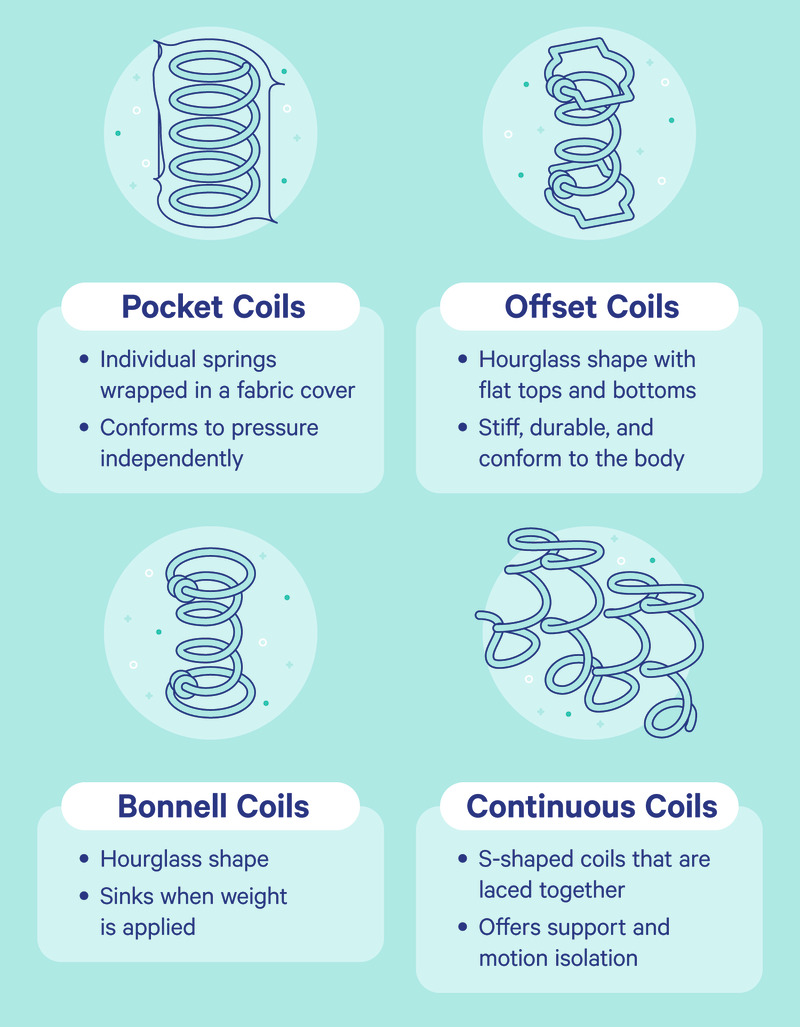
Bonnell coils – The most common type of coil, shaped like an hourglass, offering durability and affordability.
Pocket coils (individually wrapped coils hence the ‘pocket’ term) – These coils are individually encased in fabric, reducing motion transfer and enhancing support. Each pocket spring operates independently, meaning they only compress where pressure is applied. This helps contour to the body’s shape, providing targeted support and reducing disturbances from a partner’s movements. The benefits of pocket springs are they offer excellent motion isolation, superior comfort, and enhanced durability compared to traditional open coil systems. Whereas continuous coils are made from a single wire that runs throughout the mattress, providing a stable and firm surface. Offset coils are similar to Bonnell coils but with a hinge-like design, allowing for better contouring to the body.
Why are mattress springs important?
They are designed to provide support and spinal alignment. A quality spring system helps maintain proper spinal alignment by supporting different pressure points on the body. They are also expected to provide durability. High-quality coils can extend the lifespan of a mattress by preventing sagging. Breathability is a key function also. Spring mattresses promote better airflow compared to all-foam options, therefore helping to regulate body temperature. Finally, bounce and responsiveness are important too. Unlike memory foam, springs offer a bouncy and responsive feel, making movement easier.
Common myths about mattress springs
Myth 1: Spring mattresses can cause back painTruth: Poorly made mattresses or old, worn-out springs can lead to discomfort whereas high-quality coil systems actually promote proper spinal alignment and relieve pressure points.
Myth 2: Spring mattresses are outdatedTruth: While memory foam and latex mattresses have gained popularity, modern spring mattresses (especially hybrid models) offer cutting-edge technology that enhances comfort and longevity.
Myth 3: More coils mean a better mattressTruth: While coil count is important, the quality and gauge (thickness) of the coils matter more. A well-designed mattress balances coil count, material, and support layers for optimal performance
Yes, the number of springs in a mattress does make a difference, but it’s not the only factor that determines comfort and support. Here’s how it matters:
When more springs help
If better support and pressure relief are required, more springs can help to distribute weight more evenly, reducing pressure points. With increased contouring, a higher coil count can allow for better adaptability to body shape. Durability: if the coils are made from high-quality materials can extend the lifespan of a mattress too.
When more springs don’t matter
The coil quality matters more. The thickness (gauge) and type of coil (e.g., pocket springs vs. Bonnell coils) impact performance more than just the number of coils. After a certain point (typically around 1,000 coils in a double size mattress), adding more springs doesn’t necessarily significantly improve comfort.
A well-balanced mattress should have a good spring count with high-quality construction. If you’re considering a mattress, look at the materials, the design and the combination of this with the springs rather than just the number of springs.
The over-riding truth is, springs in mattresses play a vital role in providing support, durability and comfort. While myths about spring mattresses continue, understanding how they function and what makes a high-quality mattress will actually help you make a more informed decision. Whether you are choosing a traditional innerspring or a hybrid model, the right mattress with a well-designed spring system along with well crafted fillings will offer restful sleep and long-lasting comfort.
Carpet Loom and Newport Beds