Future scientists at work: inside the Harper Adams Research Project (HARP)
 nova
24 October 2025

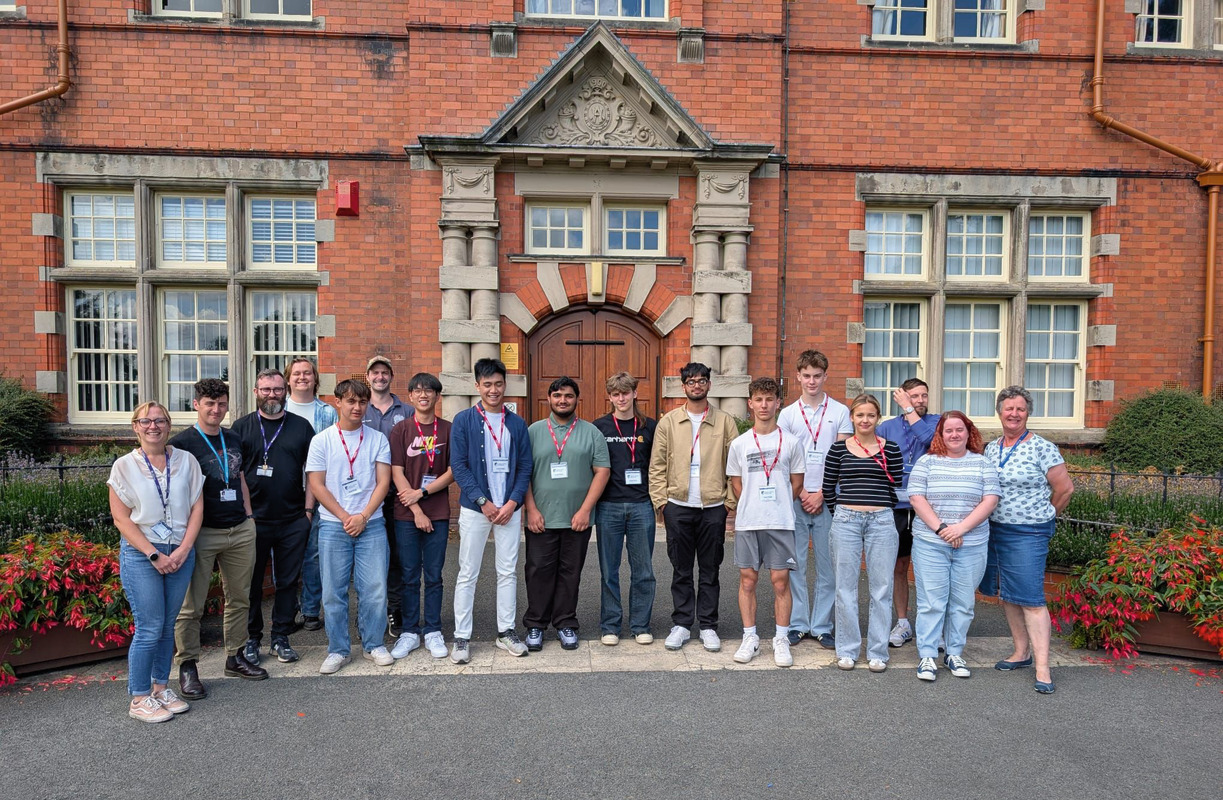
Nine A-level Biology pupils at Haberdashers’ Adams spent two weeks in July carrying out mini research projects at Harper Adams University (HAU) as part of their inaugural Harper Adams Research Project (HARP) programme.
Projects tackled real-world scientific questions aligned with HAU’s research priorities. Topics included:
Evaluating whether sunflower seed and rapeseed blends can replace soya in pig feed without compromising performance
Using DNA genotyping to identify lines of interest in wheat
The bioactive effects of various essential oils against the Greater Wax Moth
Throughout the programme, pupils were supported by HAU technicians, academics, and postgraduate mentors. Each pupil wrote up their findings in scientific reports, marked internally against a robust rubric, and presented their findings in September at a colloquium to their mentors, teachers, parents, and HAU staff.
Tom Chapman, who investigated the impacts of plastic alternatives on microbiological safety, reflected: “I found my experience of the project overwhelmingly positive. I loved the depth of research we were encouraged to carry out, and it was an amazing introduction into the world of real scientific research, teaching us how to report scientific findings and draw conclusions. I have ambitions of going into drug development and think this project provided a really good foundation for this.”
Alson Lam, who looked at the meat quality and fatty acid composition of ‘economy’ vs. ‘premium’ beef steaks, commented: “This experience has strengthened my critical thinking and given me greater confidence in applying research methods. I learned to collect and analyse data systematically, consider how results link to wider scientific questions, and communicate findings clearly. I believe it will be especially useful in supporting my future ambitions to study medicine, as it has shown me the importance of evidence-based practice and the role of research in advancing healthcare.”
Ayan Faraz, who explored how plants release chemical signals when under attack, and how these signals can mobilise natural predators, explains: “This involved investigating the use of plant defence elicitors, aphid behaviours, and analysing data to see whether these plant defence elicitors could be used as a sustainable alternative to traditional insecticides. I hope this work contributes to further development in pest management in agriculture, with an aim to reduce environmental impact through the reliance on insecticides. On a personal level, the project demonstrated the value of precision and problem-solving – qualities that transfer across into dentistry in order to provide effective and safe care to patients.”
Mrs Fletcher, Head of Biology at Haberdashers’ Adams, added: “From selection interviews and induction to independent research, report writing, and final presentations, the experience was exceptional. Students developed a wide range of practical and analytical skills, enhancing their academic achievement, university applications, and career prospects.”
Haberdashers’ Adams is looking forward to future collaborations with HAU as STEM Partner.