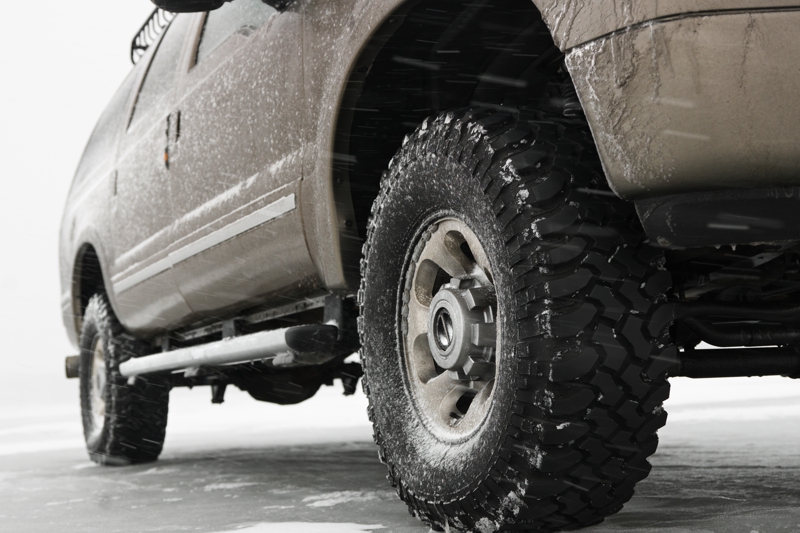
The Institute of Advanced Motorists (IAM) is warning riders and drivers to be extra vigilant on the road this winter through its national winter campaign, wheels in winter.
Existing research from the Department for Transport in 2013 shows winter is a dangerous time of year for motorists, with a reported 57,260 cars across England and Wales involved in accidents as a result of wet, flooded and icy roads.
Motorcyclists are also being warned about the severe weather as over 5,000 reported motorcycle accidents took place in the same year across the country as a result of wet, flooded and icy roads too. Skidding alone, caused by rain, sleet and snow resulted in 11,614 major road accidents occurring – putting both riders’ and drivers’ safety at risk.
Wheels in winter will be dedicated to addressing these concerns, helping motorists better prepare for the weather. Through weekly advice, reactive weather forecast updates and social media activation, the IAM winter campaign will aim to increase rider and driver awareness and reduce the number of winter weather related fatalities.
Don’t cry on the hard shoulder
Nobody wants to be left stranded on the hard shoulder, but if you don’t take care of your car there’s every possibility you will be. Here are the IAM’s latest tips to guide you through looking after your car, because basic maintenance goes a long way.
Charged battery | A flat battery is one of the most common reasons for a breakdown, so make sure your car battery is properly secured with a clamp in the battery tray, because a loose battery can damage the delicate lead plates. To ensure the battery is charged up, the alternator belt needs to be tight. So if you hear a screeching noise after you start the engine you will need to tighten the belt or possibly replace it.
Drivers commuting short distances who use their lights and heater can drain the battery power. A longer drive will recharge it fully and give the car a good workout. Ensure the top of your battery is kept clean and dry to stop charge leaking away. Do bear in mind that the car battery will wear out, so be prepared to replace it if it goes flat or is more than five years old.
Coolant level | Water for the radiator must be mixed with the right type of antifreeze all year round to stop corrosion inside the engine – a common cause of blown head gaskets. Make sure you check the level weekly when the engine is cold. If you find you are topping up too often it may be a sign of a leak that needs to be fixed.
Antifreeze | The first sub-zero day of autumn brings a flurry of frozen engines, caused by too little antifreeze.
Screenwash | Make sure you use an effective concentration of screenwash, plain water will not do and can freeze instantly when it hits the screen!
Oil checks | When you check your oil, it’s important to be on level ground. It’s not unusual for modern engines to use a little oil – some are designed that way – but a sudden increase in oil consumption is a sign that there’s a problem. It’s important to use the correct oil for topping up, make sure it meets the requirements listed in the handbook. Blown turbo chargers or broken timing chains are possible results of using the wrong oil.
Brake fluid | Modern cars will have a warning light to alert you of a low fluid level, but it’s still worth taking a look at the reservoir while you’re checking the other things under the bonnet. The level will drop slightly as the brakes wear down, but it should not fall so low that it needs topping up. When new brakes are fitted, the fluid will return to the full level. If the level has dropped below the minimum, the warning light should come on; get the brakes checked because there may be a fluid leak.
Handle in the wind
Changes in wind speed can affect your driving, but with our latest tips you can find ways to better prepare for the windy weather – ensuring your drive is as safe as possible.
What’s around the corner? | As you approach a sharp bend ease off because you never know what’s around the corner. Gusts of wind can cause large branches to fall on to the road, completely blocking it. Be prepared for any debris that obstructs the road and the possibility you may have to do a U-turn and use another route.
Don’t get blown away | Strong winds are not constant but usually come in gusts blowing motorcycles, lorries and buses from side to side. If you’re driving on the motorway, keep an eye on other vehicles making sure you hold firmly on to your steering wheel to stay in control. Watch for places where you are suddenly exposed to side winds and keep enough room between you and other vehicles to account for you or them being blown sideways.
Park it right | Avoid parking your car in a bay that is surrounded by trees as high winds can cause large branches and debris to fall on to your car. Gusts of wind can also force parked cars to shudder, so make sure you fully apply your handbrake before leaving the car. And if it’s a manual gearbox leave it in gear – this is very important if you’re parking your car on a slope.
Planned and routed | Last but not least, make sure you plan your route ahead to avoid any disruptions. Narrow roads are more likely to get blocked by fallen trees in the windy weather – it is therefore best to avoid them.
For more information on advanced driving and motorbike riding, visit the IAM website iam.org.uk which has links to local groups. •