We are now in the soft fruit season and this year it looks as though it should be a good crop. The wildlife will enjoy this as much as we will so if you do not want to lose the crop, do protect the fruit with a net to reduce what is taken.
If you have marigolds in your garden look carefully and you will notice that there are many little insects flying around them, some have the appearance of wasps but they will mainly be hoverflies and are quite harmless to us. They do however lay their eggs in the caterpillars and grubs of a number of garden pests and as such are a welcome sight to organic gardeners (or those who do not want to spray).
If you have a pond in the garden and are lucky enough to have newts in residence the adults will probably be leaving around now so do be careful if cutting the grass early in the morning as they will leave the pond and wander into long damp grass, often laying up in the daytime and travelling at night. Your pond will also be attracting the dragonflies as they will be looking for somewhere to lay their eggs on marginal plants.
The work in the garden will be mostly maintenance this month if your earlier work has been successful – mainly tidying plants as they finish flowering.
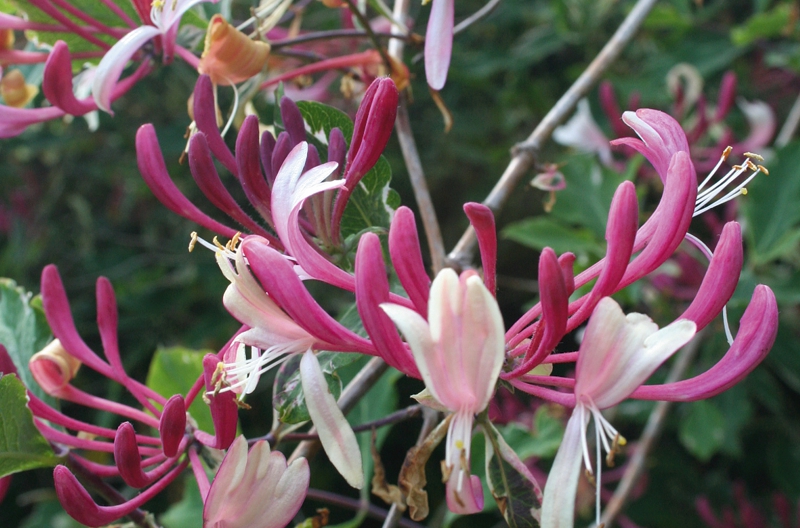
Shrubs which have finished flowering can be pruned back to maintain their size and allow new growth to be made which will carry next year’s flowers. With wisteria, the new growth will be becoming rampant and can be pruned now to reduce its size. Do not, however, be too drastic at this time as the main pruning of the plant should be left until February. Other climbers such as honeysuckle and jasmine can be trimmed back or left to extend if there is room. The approach to the latter items should be more of a tidy up operation than a serious prune.
If you do plant any new items remember that they will need watering, unless we have downpours on a regular basis.
Robert Hudson, Lilyhurst Plant Centre