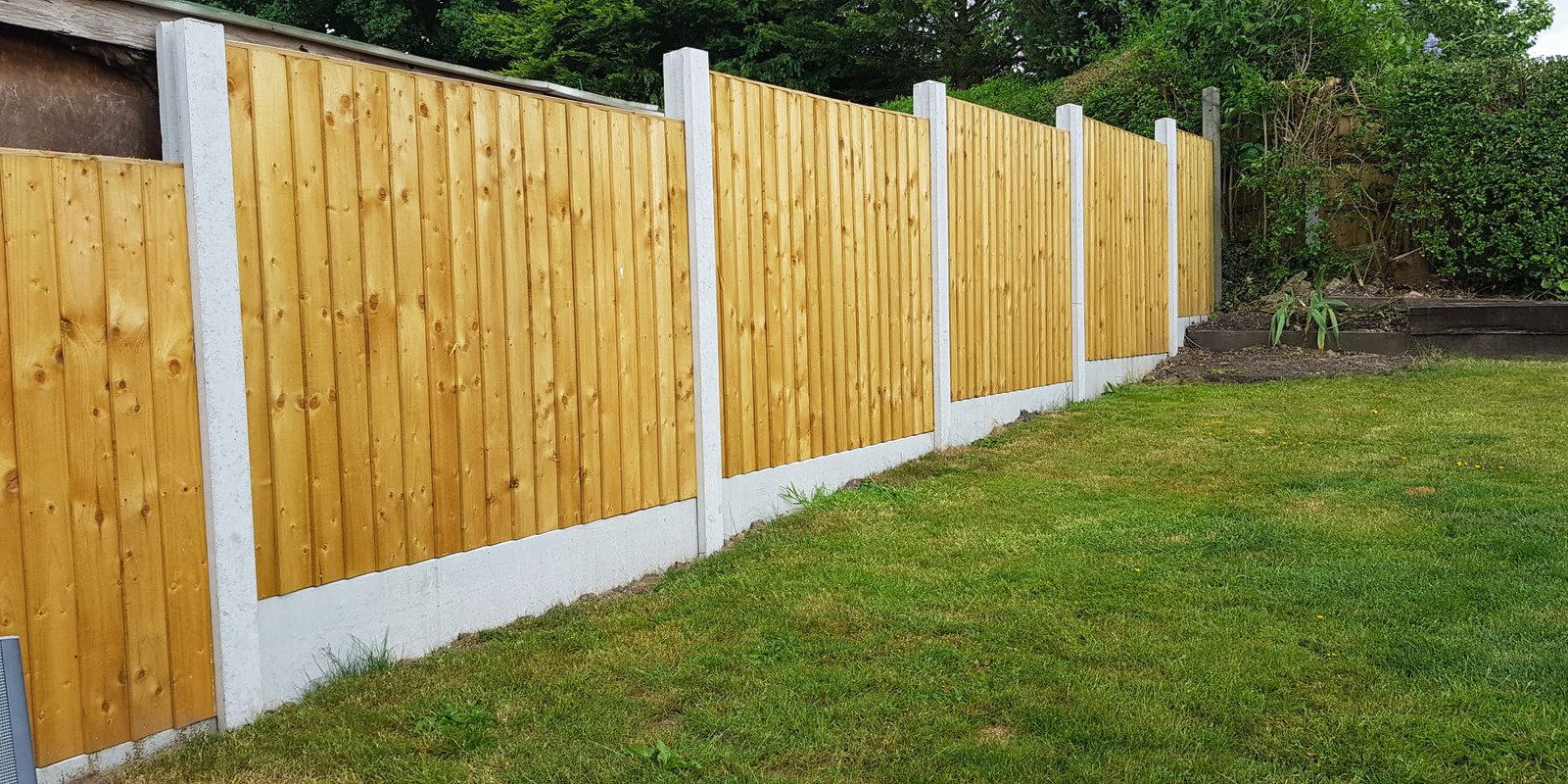
The popularity of paving is ever on the increase – according to the Royal Horticultural Society there are three times more gardens completely paved over than a decade ago.
This is due to a number of contributing factors affecting all sections of society. As people approach retirement age they may no longer be able to meet the physical demands of a garden which is predominantly lawn and borders, also with people working long hours a high maintenance garden is something they simply do not have time to commit to.
Whilst it is not ideal to have a completely paved garden as this has a negative effect on wildlife and conservation, it is possible to combine both hard landscaping in the form of paving and soft landscaping such as beds, lawns and borders to create a more aesthetically pleasing and low maintenance garden. Also if you are thinking of selling your property in the near future, remember that potential purchasers may be put off by a garden that requires a great deal of attention and consequently offering a space which is easier to manage may make it more attractive.
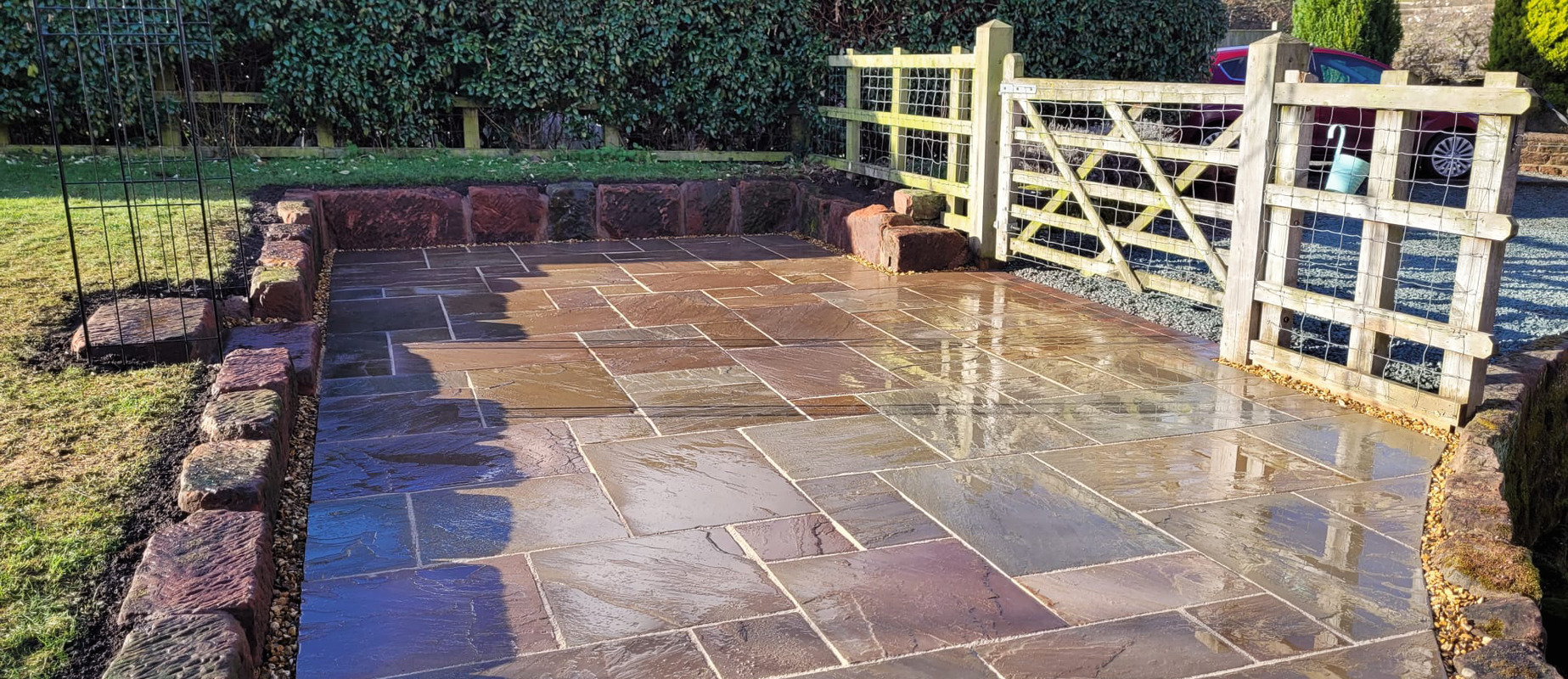
Paving can be the most expensive element of any garden design. However, the materials used can add colour, texture and pattern to your garden as well as making it more functional. The cost of paving is mainly down to the materials used as they can vary greatly in price. They usually fall into two distinct categories, either quarried stone such as granite, sandstone, limestone, slate etc or composite material such as concrete or brick. Each of the materials have their pros and cons – durability, cost, choice of colour, ease of installation and so on. Stone paving is usually the most expensive; however, whilst concrete itself is a cheap alternative, pouring on-site and using a mould can be pricey. The cheapest alternative to stone is to use gravel which if you are working on a budget is a great way to change the nature of your garden. There is also the option to embellish your paving with sett edgings or ones of a different type to provide a contrast to the gravel or stone being used.
All paving needs to have a foundation and also needs to be able to drain water effectively so as to prevent puddles forming and further problems in the future. If you would like to receive further advice or need a free, no obligation quote, please telephone me, Stephen England on 07989 169525 or 08456 832500.