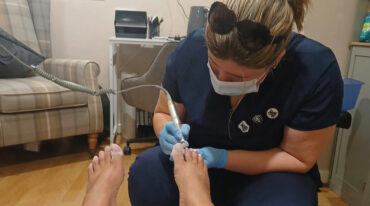
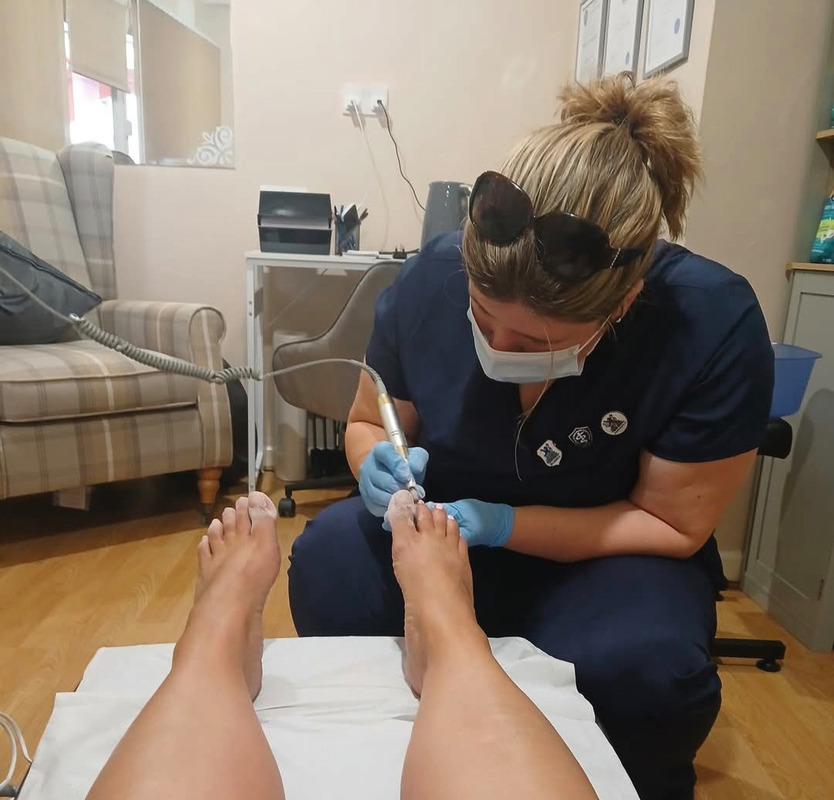
As the weather is most definitely cooler, Beth and I have noticed that more people are coming into clinic with cool feet and limbs therefore we have already seen some chilblains.
We understand that the cost of living crisis is affecting us all and people are loathed to put the heating on.
Chilblains are the first real sign your body is not reacting well to the cold. Chilblains occur when the feet get very cold and then are encouraged to warm up rapidly. A histamine reaction occurs and the toes, fingers, nose, and even ears get red and swollen – these areas are often painful and can sometimes break down. If this is the case popping a mild antiseptic on the area is the best treatment.
However, the best treatment for chilblains is not to get them in the first place. Wrap up warm. A heated blanket is a cheaper alternative than popping heating on but make sure Kitemark and CE mark on them; this ensures safety.
There are warming creams available but these have limited effect.
It’s also really important to keep warm if you have an underlying heart condition or high blood pressure as heart attacks can occur more frequently in the winter due to the cold.
When you are cold, blood vessels narrow in your skin and fingers and toes, so that less heat is lost. But this narrowing (called ‘vasoconstriction’) creates more pressure in the rest of the circulation, meaning the heart has to work harder to pump blood around the body, increasing heart rate and blood pressure.
Keep warm, keep safe, we and look forward to seeing both old and new patients in the New Year.
by Wendy Palser
Podiatrist
The Foot Health Clinic