The emergence of artificial intelligence in care
 nova
26 June 2026

Is AI becoming a driving force for improved care? This is an area I am monitoring and researching, and things are moving very rapidly!
Artificial intelligence (or AI) refers to computer systems that can analyse information, recognise patterns, learn from data, and make decisions or recommendations in ways that mimic human intelligence but with great accuracy and at light speed. Hollywood often portrays AI as humanoid robots taking over the world (not yet), but the reality in care homes is far more practical, and in many ways, far more exciting.
The likelihood of fully autonomous robots replacing carers any time soon is very small. Caring for vulnerable people is deeply human. Compassion, empathy, reassurance, conversation, and emotional understanding cannot easily be replicated by machines. Residents need genuine relationships and meaningful interaction with people who understand them. No robot can replace the comfort of a reassuring smile, a kind word, or the intuition of an experienced carer who knows when someone simply ‘doesn’t seem quite right’.
However, AI is already beginning to influence the care sector in quieter, but extremely important ways.
Many people already use AI technology in everyday life without even realising it. Smartwatches paired with smartphones can continuously monitor heart rate, sleep patterns, oxygen levels, activity levels, and even detect falls. AI systems then analyse this biometric information, spotting trends and raising alerts if something appears unusual. What once seemed futuristic is now becoming normal reality.
This same type of technology is gradually finding its way into care homes.
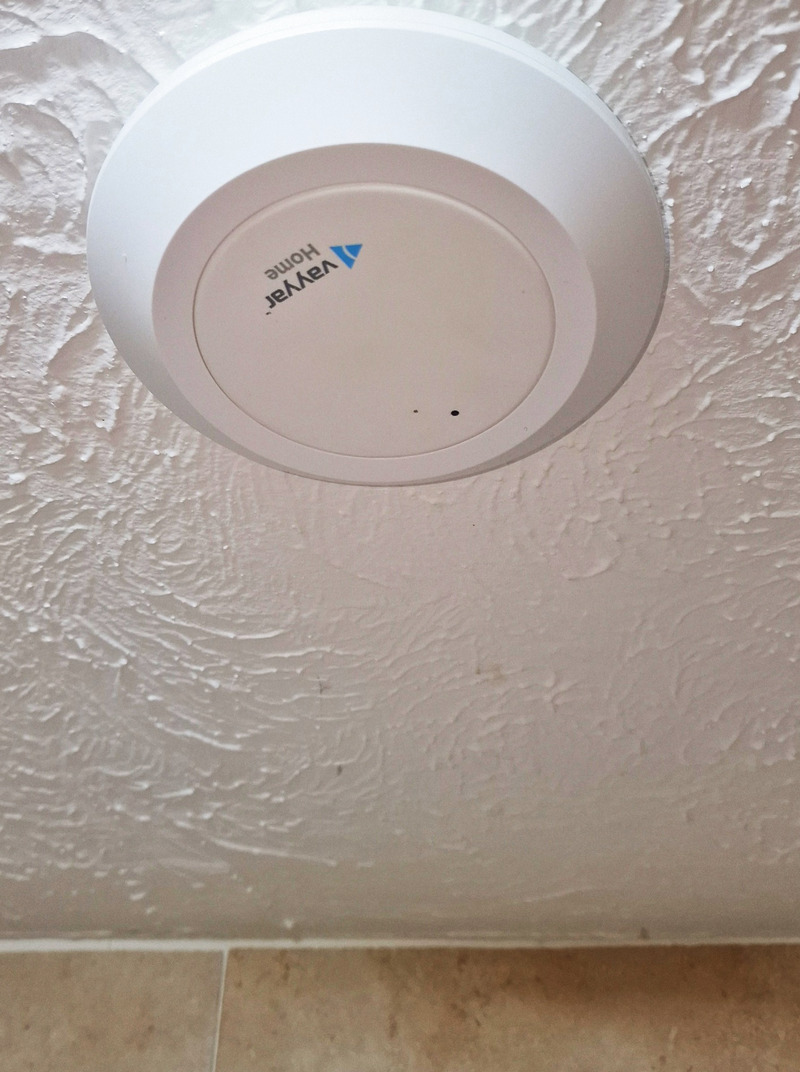
At Sambrook House Residential Care Home, for example, we use a radar-based falls detection system which discreetly monitors our residents within their bedrooms and bathrooms (no cameras!). The system will alert staff immediately if somebody is detected on the floor, allowing for a much faster response time in the event of a fall.
What is particularly interesting is how AI is now being integrated into these systems. Rather than simply reacting to emergencies, the software is beginning to analyse behaviour patterns over time. It reports subtle changes that staff may not immediately notice. For example, if a resident begins making significantly more trips to the toilet overnight, this could potentially indicate the early stages of a urine infection. Equally, increased restlessness, disturbed sleep, or changes in mobility patterns may indicate discomfort, confusion, or a developing illness.
Importantly, the AI is not making a medical diagnosis (yet!). That responsibility remains firmly with trained healthcare professionals. What the technology does do exceptionally well is continuously analyse large amounts of information and flag anomalies for further investigation. In many ways, it acts as an additional layer of observation supporting care staff, rather than replacing them.
Another major area where AI is beginning to have influence is through electronic care planning systems. Care plans are the essential ‘living’ documents that record all aspects of care for each individual. They contain detailed information about a resident’s health needs, medication, mobility, nutrition, personal preferences, routines, emotional wellbeing, risk assessments, activities, mobility, fluids, etc. Traditionally, these were paper-based files, but many care homes now use sophisticated electronic care planning systems. Large amounts of data are generated for each client, every day, and AI is extremely good at analysing ‘data’ to provide ‘information’. These digital systems already allow staff and management to generate reports in multiple ways, identifying trends in falls, weight changes, medication administration, fluid intake, or behavioural concerns. It seems likely to me that the next steps in their evolution will involve AI automatically monitoring these records in real time, spotting anomalies, and presenting them for review before they become major concerns. Future wearable tech will provide instant biometric alerts from constant monitoring.
Beyond direct resident care, AI is also becoming widely used across many industries to assist with report writing, presentations, staff training documents, research, and administration. The care sector is no exception. Used correctly, AI can save valuable time on paperwork, allowing staff to focus more of their energy on their residents.
So, will we eventually be cared for entirely by robots? Probably not for many years, if ever. But will AI have a significant influence on the future of care? Almost certainly, and it is very exciting!
Ultimately, the future of care is unlikely to be less human, but with AI support, carers will become better informed, which will be good for all.
by Neil Robson, Director
Sambrook House Residential Care Home