Carpets of Meadowsweet, Lavender and Pennyroyal
 nova
4 November 2016
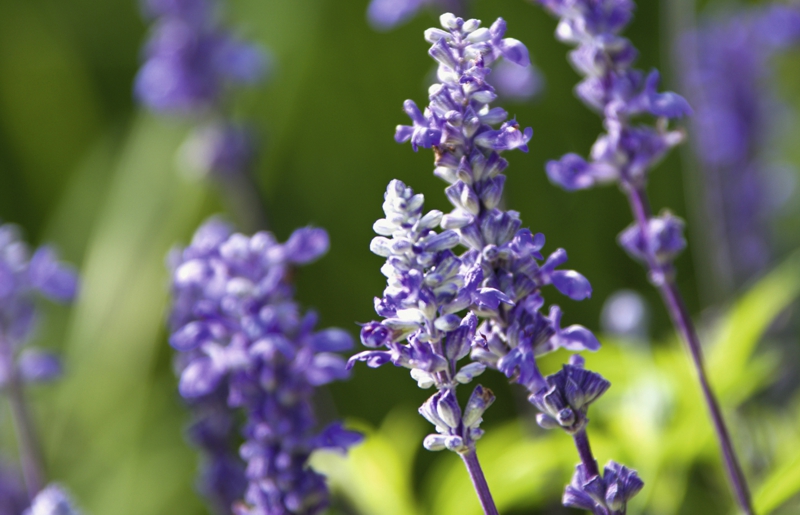
Long before we had the luxury of carpet, let alone textured laminates and vinyls, our ancestors would strew the floors of their homes with herbs and rushes. Straw and reeds would be mixed together with aromatic herbs and the dry mixture would be strewn to give warmth, but also release a pleasant smell when walked upon.
Of course, in an age when personal hygiene wasn’t what it is today, these carpets were useful in masking other odours, as well as emitting their own. Queen Elizabeth I was particularly fond of the scented meadowsweet:
‘Queene Elizabeth of famous memory, did more desire it than any other herb to strew her chambers withall.’ – John Gerard, Gerard’s Herbal
In 1660, King Charles II appointed the first Royal Herb Strewer, Bridget Rumney. At a time when the River Thames was particularly pungent, especially during the warm summer months, there was a great need for sweet smelling rushes throughout the London palaces.
Herb strewing at the coronation of English Kings and Queens was a tradition followed until 1831 and the coronation of William IV when, as a cost-cutting exercise, the practice ceased. The scattering of herbs and blossoms along the carpet of Westminster Abbey would include such olfactory delights as lemon balm, marjoram, fennel and winter savory.
But these carpets of reeds and rushes had another function – one which even today’s carpets can’t boast. They repelled insects, and in some instances, even killed fleas. Sage, tansy and chamomile were particular favourites for keeping the ticks at bay. And if you weren’t a cat lover, you could strew rue – felines don’t like the smell.
Finally, there was southernwood. Also called lad’s love, it was used in bedrooms due to its aphrodisiac qualities. Whether it worked or not, who knows? But it’s safe to say that modern day floor coverings – even those from Carl Taphouse Carpets – don’t come with this particular quality as standard! •