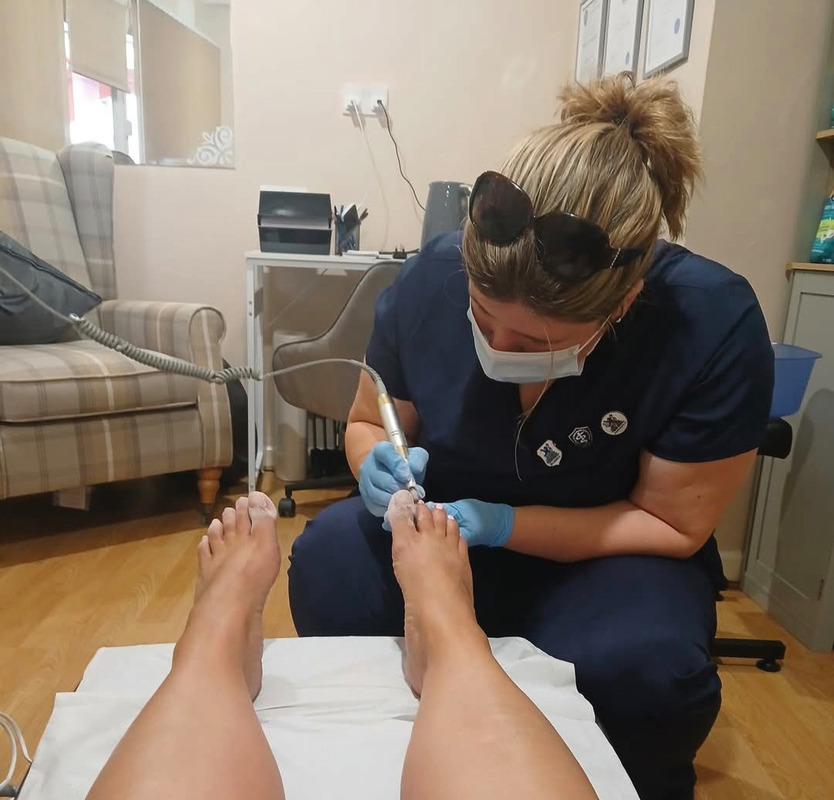
Being a good podiatrist is often all about asking the right questions.
A patient might attend clinic with what they think is a simple problem they just want ‘treating’ and are surprised sometimes by the questions I ask.
Name and address most people give that happily but that can sometimes give the first clue. Certain areas of the country can have specific illnesses associated with them; an address in a city centre by a busy road can sometimes lead to asthma and this can affect the circulation in your feet.
My second clue comes from a person’s medical history and medication. Patients are occasionally surprised when I ask for this level of information. It’s really important that you bring your medication list to your appointment and tell me of any changes. Some medication and a person’s history can have a direct effect on their feet.
A person with a back injury may lack sensation in their feet.
High blood pressure is sometimes treated with beta blockers. This medication can sometimes make a patient’s feet and hands cold and over winter make them vulnerable to chilblains.
So when you come, pop a list of your medication in your pocket and show it to me.
My third clue comes from what the problem is and my examination.
So I will test my patient’s circulation by taking their pulse but also test if they can ‘feel’ what I’m doing to see if there is a possible problem with their nerve supply.
My fourth clue will come from chatting to my patient, and this is sometimes where the most information comes from. Lifestyle, such as exercise, can give invaluable clues to a person’s problem.
I’m the first to admit I’m a bit of a chatterbox, however, my first concern is you, my patient, and I’m also looking for your ‘clues’.
by Wendy Palser
Podiatrist