Technology is playing an increasingly central role in care homes and nursing homes across the UK, supporting staff, improving safety, and enhancing the quality of life for residents. Far from replacing human care, these innovations are designed to give carers better information, faster response times, and greater insight into individual needs. From nurse call systems to artificial intelligence, digital tools are reshaping how care is delivered.
Nurse call systems
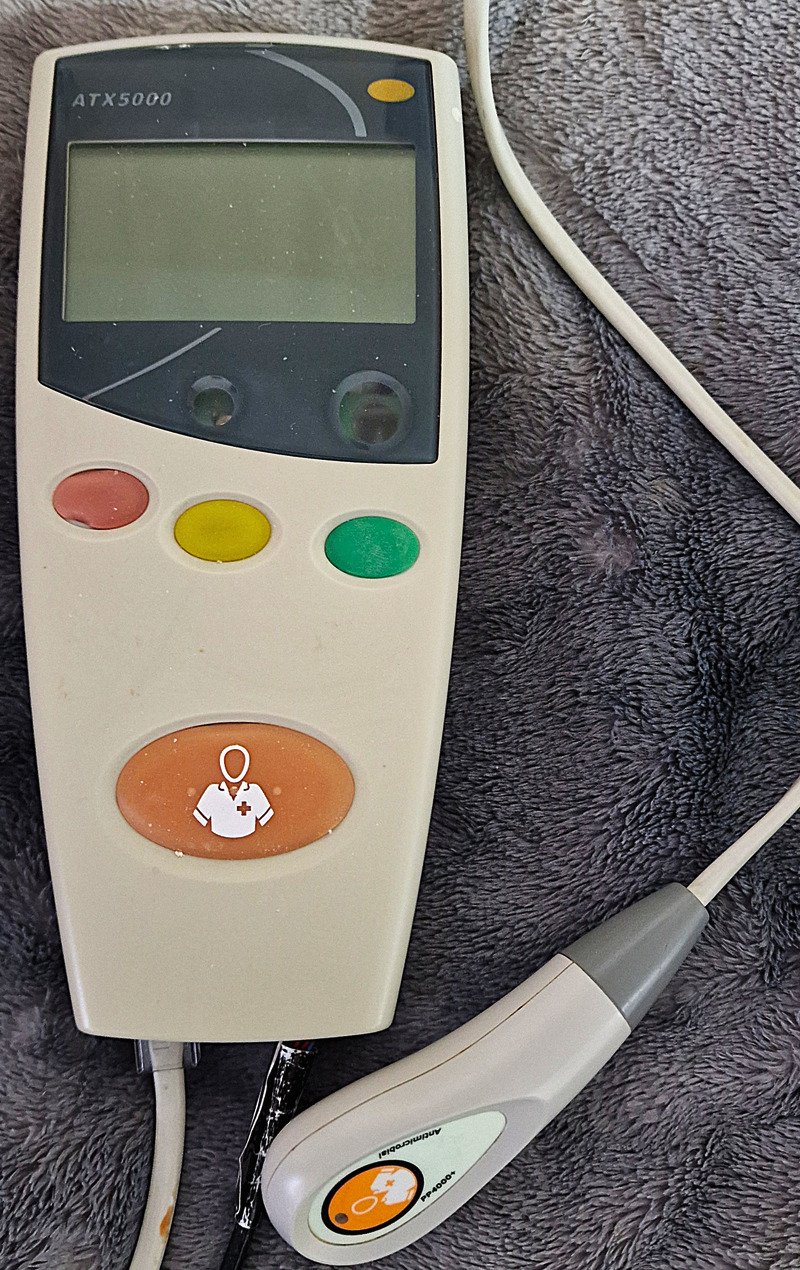
One of the most established and essential technologies in care environments is the nurse call system. Modern systems are highly portable, allowing residents to summon help wherever they are. When activated, we have the message relayed to staff pagers, ensuring alerts are received instantly rather than relying solely on fixed wall panels. These systems can be linked to a wide range of devices, including corded buttons, pressure mats, and fire door exit alerts. By integrating multiple safety features into one system, staff can respond quickly and appropriately, reducing risk and increasing reassurance for residents and families alike.
Care planning
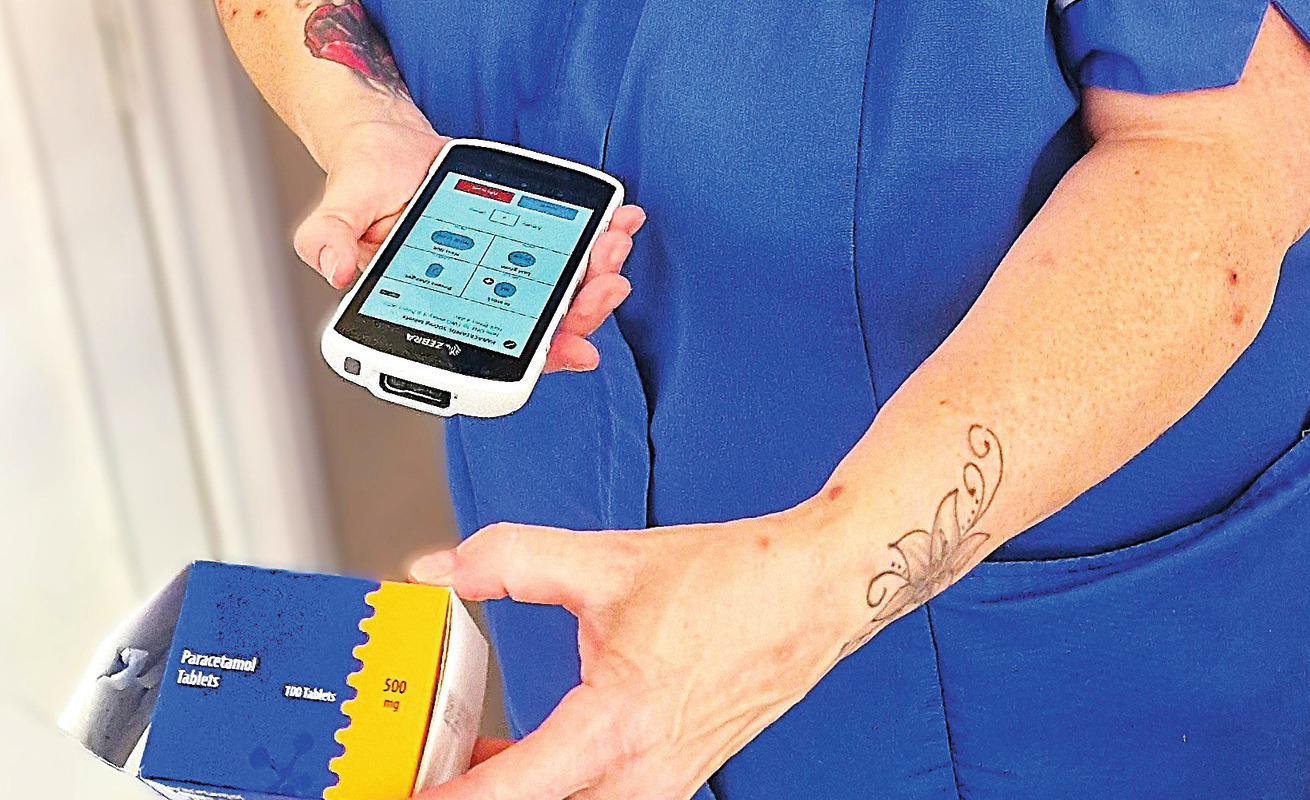
Alongside physical safety systems, electronic care planning systems have become a cornerstone of modern care delivery. We use PCS (Person Centred Software), one of the UK’s industry-leading care planning platforms. PCS allows care plans to be fully digital, detailed, and constantly updated. Staff carry a handheld device known as a Zebra, similar in size to a mobile phone, which enables them to enter care data in real time while supporting individuals. Through these devices, carers can access up-to-date care plans, read and send messages, manage medication rounds, and receive alerts about tasks or changes in residents’ conditions. This reduces paperwork, improves accuracy, and ensures that care remains truly person-centred, and management can query the information in real time, providing rapid insights into the person’s health and activities.
Falls monitoring
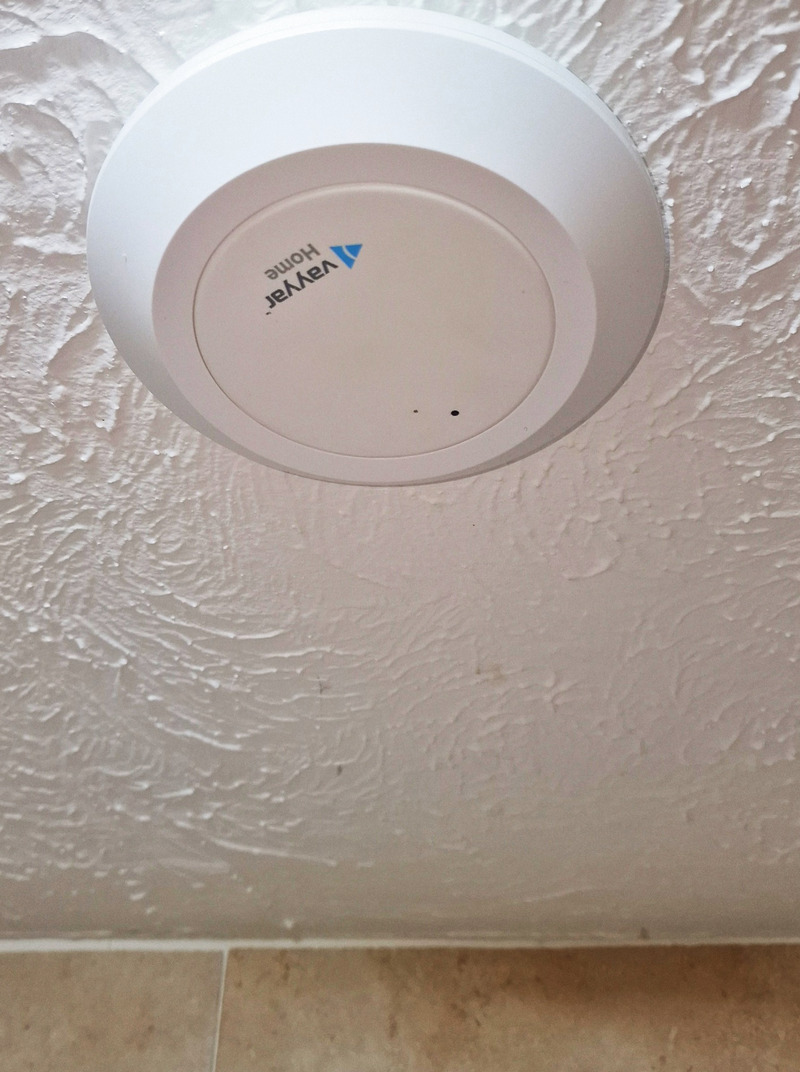
An exciting area of innovation is our trial of the VAYYAR radar-based falls detection system (looks like a smoke detector on the ceiling). Unlike traditional sensors or cameras, this new technology uses a form of radar to detect whether a body is on the floor, without capturing images and therefore maintaining privacy. If a fall is detected, the system waits 90 seconds before emitting a gentle beep in the room, allowing the person time to get up independently if they are able. If they remain on the floor for two minutes, an alert is sent directly to staff via their Zebra device. The system is now being extended using artificial intelligence to identify changes in habits, such as increased night-time trips to the toilet, which could indicate issues like infections. This proactive approach is particularly exciting, as it allows staff and management to respond earlier to potential health concerns.
Looking to the future
Wearable technology is already available on the open market, monitoring vital signs such as heart rate, blood pressure, and blood sugar levels. I predict that it is only a matter of time before these devices become commonplace in care homes, feeding live health data directly into electronic care planning systems. This would allow teams to receive instant alerts when readings fall outside normal ranges, supporting early intervention and reducing hospital admissions.
In summary
Overall, technology is providing carers with better information and tools, significantly improving the safety, welfare, and wellbeing of residents. With the introduction of AI-driven analysis, care homes are gaining deeper insights into individual health patterns. This promises not only more responsive care but also vital information for medical professionals, enabling earlier identification of ailments and more informed clinical decision-making.
Care homes that embrace technology should become smarter, safer, and more proactive centres of care as data is automatically analysed and information flows seamlessly to the people who need it. Instead of reacting to incidents after they happen, tech-enabled homes will increasingly anticipate risks, spot changes in health earlier, and intervene sooner. The future is exciting!
by Neil Robson, Director
Sambrook House Residential Care Home