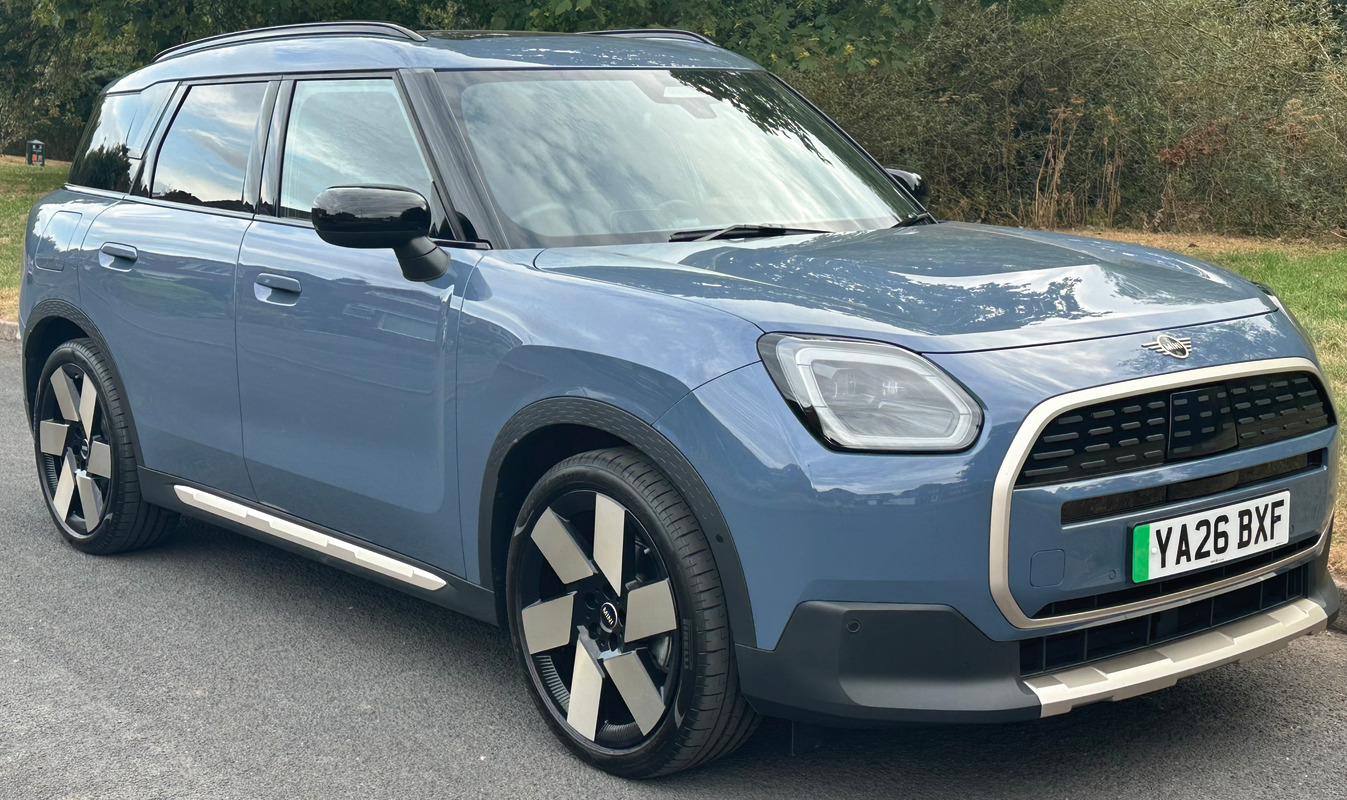
The Institute of Advanced Motorists (IAM) has warned that car manufacturers are building high-tech distractions into their new vehicles and have made interiors so comfortable they are being turned into living rooms.
The warning came from IAM Chief Executive Officer Sarah Sillars, who said efforts to reduce distraction factors for motorists are being undone by the relentless pace of technology and eagerness of car makers to pack more gadgets on to dashboards.
The main areas of concern are highly sophisticated satellite navigation and GPS systems, smartphones that mirror tablets and easy connectivity of internet and social media.
The IAM has suggested the UK should adopt guidelines suggested by the US Department of Transportation and National Highway Transportation Safety Administration.
These say drivers should be restricted from using certain non-essential forms of technology while the vehicle is in motion, and car makers should not introduce any technological development which takes the driver’s attention off the road for longer than two seconds.
So face the music
The IAM’s Chief Examiner, Peter Rodger, is offering advice to drivers on how to use in-car entertainment in the safest ways possible. Here are his top tips.
- If you connect your iPod or phone to your car to listen to music, make sure you have connected the device before you set off. Avoid changing songs whilst driving as you will be forced to take your eyes off the road. In the USA a new two second rule has been developed – any distraction that takes your eyes off the road for more than two seconds will affect your driving.
- A multi-function steering wheel can be used to adjust the volume or change CDs – if you have this facility use it where possible as it will help reduce distraction. Having music playing too loudly can also take your mind off the task of driving.
- Avoid playing music that makes you drive faster – tunes with a strong, driving beat might make you speed up without realising it is happening.
- Where children get quickly bored on long journeys a rear seat DVD player can keep them occupied – but make sure they have a set of headphones so the sound doesn’t distract the driver.
Although a Bluetooth feature is available in most modern cars, you are strongly advised to not use it to talk when you’re driving and remember, it’s illegal to use a hand-held mobile phone while driving.
If you have an interactive touch screen with an in-built satellite navigation system, programme all your destination details before you start your journey or while you have stopped safely, the same as you should for a portable satnav.
Peter said, “The pace of development in the field of in-car entertainment has raced forward in recent years. But remember that the journey is why you are in the car, and the entertainment should be used to help you make it safely and never become more important than driving.”
Motorway driving
The IAM is advising motorists about driving safely on the motorway and keeping the correct lane positioning. Here are the top tips to see you through your journey.
- Drive in the left-hand lane when the road ahead is clear, unless road markings tell you otherwise.
- If you are planning to overtake remember to use your mirrors, signal early and check your blind spot before changing lanes.
- Avoid hogging the centre lane. If someone behind you wants to get past and you can move into the lane on your left, do so. Remember, that lorries and coaches cannot use the right-hand lane on a three lane motorway, so if one is catching you up, try to move over and let them pass.
- Overhead motorway signs provide useful information about which lane to use – take note of this and act on the advice, particularly in variable speed limits. All-lane running motorways help reduce congestion and keep the flow of traffic running smoothly. But, where a red X sign has been activated above a lane, you must not use this lane at all. Cameras can now detect this and many people continue to be fined.
- Do not drive on the hard shoulder unless you are driving on an all-lane running motorway, where a part-time sign will tell you if this lane can be used.
- Keep your distance and avoid tailgating. On dry road surfaces you should maintain at least a two second gap between you and the vehicle in front of you. In wet weather or poor visibility, increase the gap to four seconds or more to give yourself space to brake more gently.
Motorway driving need not be stressful so long as you read the road ahead and plan accordingly. Never make sudden or last-minute manoeuvres. Keep calm, and your motorway experience will be problem free.
For more information on advanced driving and motorbike riding, visit the IAM website iam.org.uk which has links to local groups. •