WE ALL DO IT, BUT SOME OF US ARE BETTER THAN OTHERS
Studies show that it can take only three months for a sleep issue to become a sleep disturbance, and then only three more for it to become a sleep problem. So it’s important to sort it out, and get back to a good night’s sleep as soon as possible.
Long-term insomnia increases the risk of serious health conditions, eg heart disease, stroke, diabetes and obesity. Here are six tips for sleeping better:
Temperature
Getting the right temperature is key to aiding better sleep, under 12ºC (53ºF) is too cold and above 24ºC (71ºF) is too hot.
Lighting
When it’s dark we release melatonin, this relaxes the body and helps you fall asleep. Try to block out the light with curtains, blinds or shutters.
Comfort
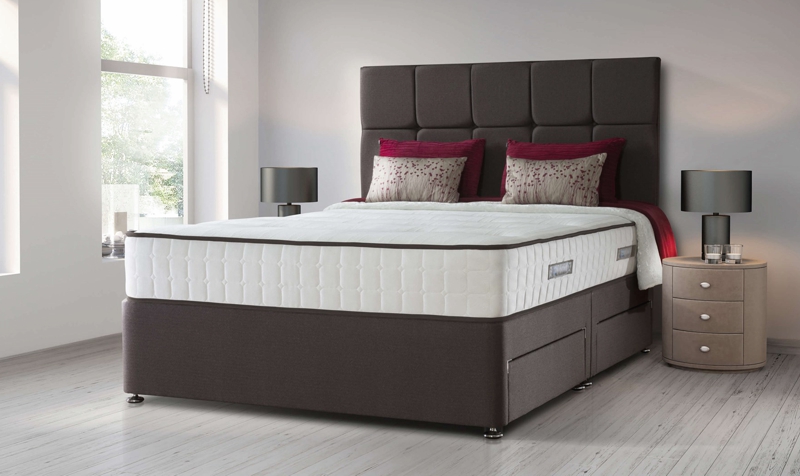
The biggest cause for poor sleep is an uncomfortable mattress; a good mattress will help you go into a deep sleep, which will help you feel refreshed when you wake.
Gadgets and gizmos
Bed is a place to rest and while there is nothing wrong with watching TV in bed, or answering emails etc, these should not be done within an hour of trying to sleep. Beeps and buzzes from these devices can disrupt your sleep also, so keep them switched off.
Noise
It goes without saying that loud, sudden noises can interrupt sleep; earplugs can help or try playing white noise, like the sound of the sea.
Relaxation
All the above help but a relaxation routine is a perfect way to get a good night’s sleep. A warm bath will help you to wind down and it gently raises your temperature, which triggers the sleep mechanism.
Warm, milky drinks and herbal teas are good alternatives to a late night caffeinated cuppa or alcohol. Lavender oil drops on your pillow may help.
Hope these tips prove useful.
Night Night.