The role of flooring in a healthy home
 nova
25 July 2025
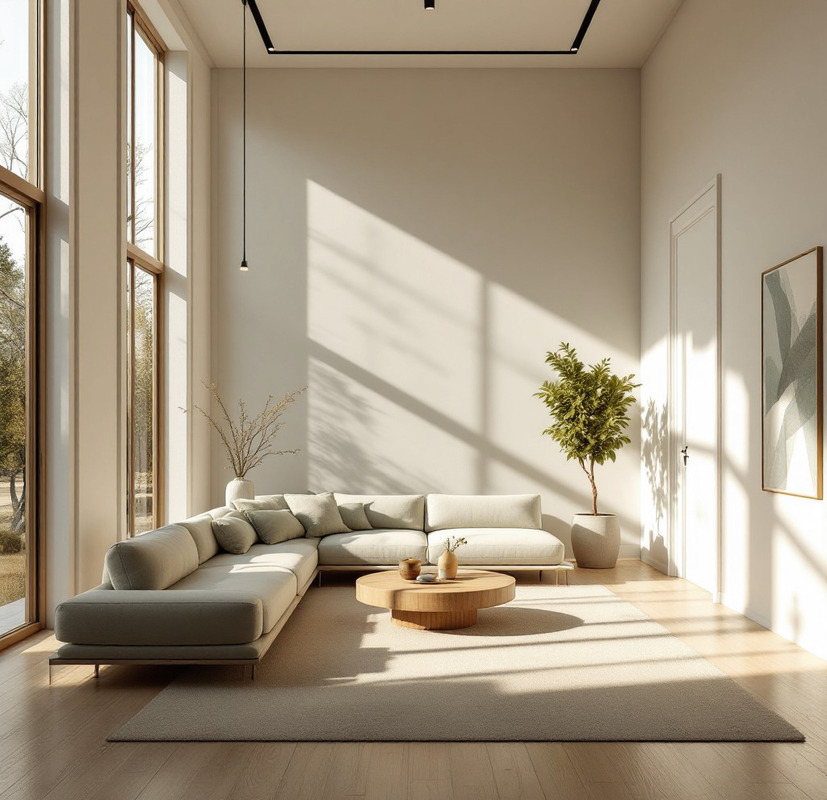
When it comes to creating a healthy home, people often start with the obvious: air purifiers, non-toxic cleaners, or even organic furniture. But one of the biggest, and most overlooked, contributors to wellbeing is right under your feet. Flooring isn’t just about colour, texture, or cost. The material you choose can influence air quality, trigger or reduce allergies, support (or strain) your joints, and shape the overall comfort of your living/working space.
From the materials used to make it, to how it holds dust or impacts sound levels, flooring subtly plays a major role in the health of your everyday environment. Whether you’re renovating, building new, or simply rethinking your space, here are some things to consider to make sure your floors support your comfort and health.
Air quality starts from the ground up.
Many modern flooring products, particularly those made from synthetic materials or treated with chemical finishes, emit Volatile Organic Compounds (VOCs). These airborne chemicals can linger for months, or even years, after installation and have been linked to respiratory irritation, headaches, and other long-term health concerns. Healthier alternatives can include wool, engineered wood (sealed with low-VOC finishes), and natural linoleum.
Allergy-friendly flooring
If you suffer from seasonal allergies or asthma, your floors could be harbouring invisible triggers.
Smooth, hard surfaces can be a better choice for allergy sufferers. Luxury Vinyl Tile (LVT) offers more than just durability and design versatility, it can also contribute to a healthier environment, thanks to its antimicrobial properties. Many modern LVT products are manufactured with built-in antimicrobial treatments that inhibit the growth of bacteria, mould, and mildew on the surface. This makes LVT an excellent choice for high-moisture or high-traffic areas like kitchens, bathrooms, and entryways, where hygiene is especially important. Unlike porous flooring materials, LVT’s dense, non-absorbent surface is easier to clean and less likely to harbour allergens or microbes.
However, while hard surfaces may seem cleaner, they can allow dust, pet dander, and allergens to remain airborne longer, often circulating freely throughout the home. That’s where wool carpets can offer unique and contrasting health benefits.
Whilst wool offers a soft surface, it has some surprising health-supporting qualities. Unlike synthetic carpets, wool is a natural, hypoallergenic fibre that can absorb and trap airborne dust, pollen, and other allergens, preventing them from circulating. When cleaned regularly, wool carpets can actually reduce airborne particles and improve indoor air quality. As a natural humidistat, wool also helps remove excess moisture from the air and is naturally resistant to dust mites thanks to its keratin structure. Plus, wool is free of the VOCs and plasticizers often found in other flooring products.
In short:
Choose LVT if you prioritise easy cleaning, antimicrobial protection and moisture resistance.
Opt for wool if you want a natural, allergen-trapping surface that contributes to quieter, cosier spaces.
Comfort and ergonomics
Health isn’t just about what you breathe, it’s also about how you move and feel. Hard flooring can be tough on your joints, especially if you stand for long periods while cooking or working at home.
Other materials like cork and padded vinyl offer more give and comfort, which can reduce foot and knee fatigue. For households with seniors or small children, slip resistance and softness become especially important, so consider textured finishes or cushioned surfaces in key areas like bathrooms and kitchens to reduce the risk of falls.
Sound, stress, and sensory wellness
Floors also influence how a home feels – not just physically, but emotionally. Hard, reflective surfaces like tile or hardwood can create echo and amplify noise, especially in open-plan layouts. Constant sound, even at low levels, can contribute to an increase in stress levels. In contrast, materials that absorb sound (think cork, engineered wood with underlay, or carpet) can dampen ambient noise, helping to create a quieter, more calming space.
Whilst it’s tempting to focus on style and cost alone, flooring is one of the most used, and most impactful, surfaces in your home. When it comes time to choose what’s underfoot, think beyond appearance. A truly healthy home isn’t just beautiful, it’s comfortable, safe, and supportive. At Carpet Loom, you’ll find plenty of inspiring options to help you create a space that looks good and feels even better.
Carpet Loom and Newport Beds