Some things to consider – Choosing a care home for (or with) a loved one is rarely an easy process. Families want reassurance that the place they choose will provide not only safety and clinical support, but also comfort, dignity, and a fulfilling daily life. While every resident has unique needs, there are several key factors that consistently define high-quality care.
Facilities and environment – A good care home will provide a clean, safe, and comfortable environment that feels welcoming rather than clinical. It needs to have lounges that are comfortable and inviting for relaxation and social interaction, nice bedrooms and bathrooms, and ideally gardens and outdoor spaces to relax in. Something increasingly rare is double bedrooms (we have three at Sambrook House), which allow married couples to continue to live together in a supported, hotel-like, environment.
Food and nutrition – Our chefs proudly display their awards for the wonderful, nutritious food they produce, and we fully believe that good food is fundamental to good health and happiness. Mealtimes are a central part of daily life, and dining should be a pleasant and social experience, rather than simply a routine.
Location plays an important role for both residents and their families. A home situated close to relatives and friends encourages frequent visits, which can greatly benefit residents’ emotional wellbeing. We often welcome residents who come to us from afar because their immediate family live within 10 miles.
Quality of care – Every care home will do a ‘Needs Assessment’ before they admit someone. Each resident will have an individual ‘Care Plan’ tailored to their health needs, routines, preferences, and personal history. Staff should be skilled in maintaining independence where possible, whilst providing assistance when needed. Good care homes focus not only on physical health but also on spiritual, emotional, and mental wellbeing, ensuring residents feel valued. Care should always be compassionate, respectful, and person-centred.
CQC Ratings and recommendations – The Care Quality Commission’s inspection reports and ratings are available at www.cqc.org.uk. Personal recommendations and reviews give a view of people’s first-hand experiences of the home. www.carehome.co.uk is a good resource, as many local care homes subscribe to this service, which encourages reviews.
Staff training and stability are vital in delivering good quality care. Well-trained, motivated, and qualified staff are essential, as is staff stability. It is important that the team feel invested in, with clear professional development programmes and good working conditions. Homes with lower staff turnover often provide more consistent care.
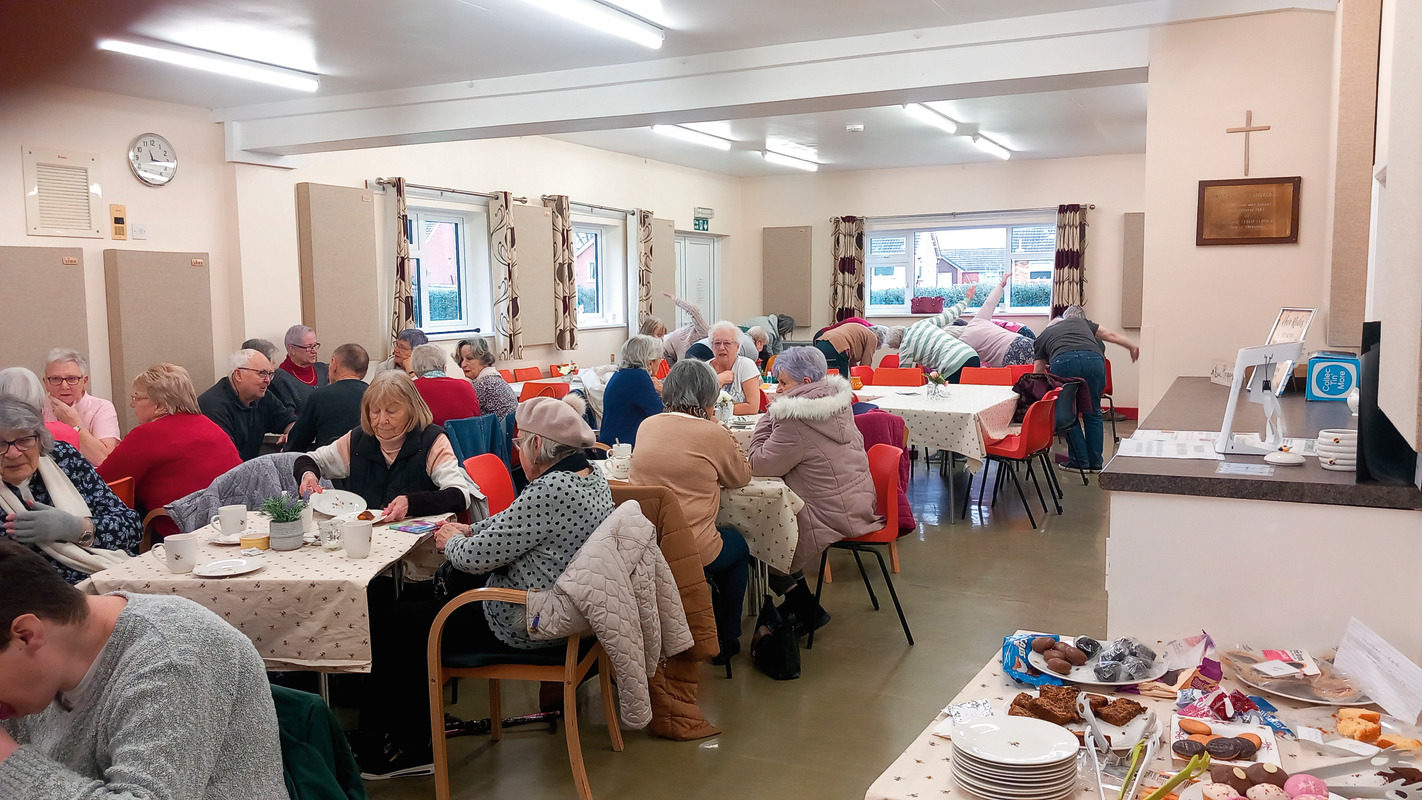
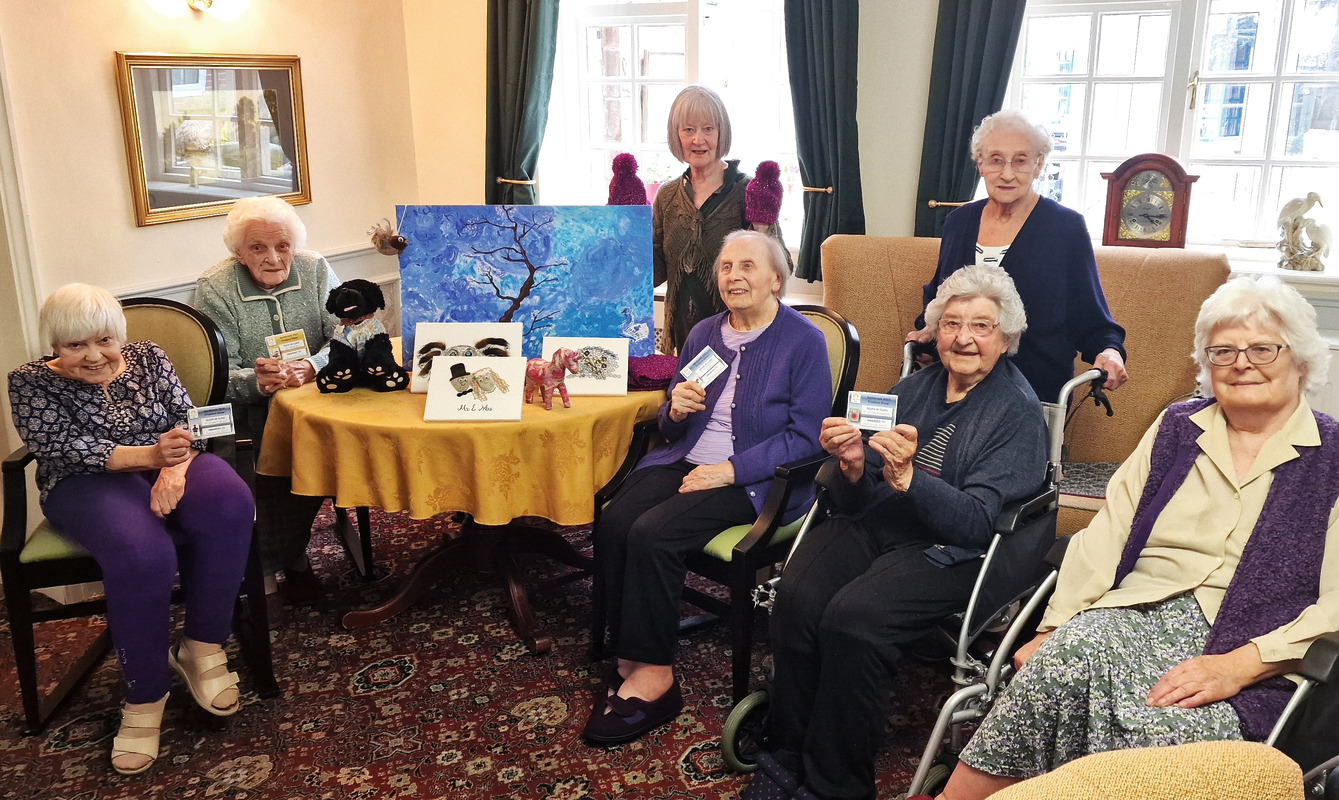
Activities and social engagement make life stimulating, social and enjoyable. A varied activities programme helps residents stay mentally and physically active and motivated. Activities might include exercise classes, music sessions, crafts, gardening, games, community visits, and events.
Technology and innovation are playing an increasing role in care homes, improving care, safety, and responsiveness. Digital care records allow staff to monitor residents’ health and wellbeing effectively, whilst assistive technology can support mobility and independence. Video conferencing is also a great tool for families far away to keep in touch.
Family engagement – Care homes should recognise and embrace the importance of family involvement. Families should feel welcome and be involved in the welfare of their loved ones. Many people have come to us because of frailty and loneliness – in a care home environment they once again become part of a community.
The price of care – Care home fees can vary widely depending on location, services, and level of care required. Government decisions continue to put additional costs onto the sector. Delivering good quality care costs money, because it involves investment in staff, systems, buildings, infrastructure, food, utilities, activities, etc.
Ultimately, the best care homes combine excellent care with warmth, respect, and community. When good facilities, skilled staff, engaging activities, and supportive family relationships come together, it becomes far more than a place of residence – it becomes a place where people can continue to live and thrive with comfort and purpose.
When people visit us for the first time, the best compliment we can get is: ‘it’s homely’.
by Neil Robson, Director
Sambrook House Residential Care Home