Here we’re specifically talking about brand names.
A name should be something easy to remember. For certain you could easily name three manufacturers of TVs, kettles, fridges, washing machines etc … the list goes on, and on, and on. (Just look elsewhere on this page for some hints.) The white goods market has mostly avoided the evocative names of cars and perfumes.
Creating a great name can be a tricky task, as evidenced by the teams competing on The Apprentice. Names can overtly suggest quality eg IceKing and Fridgemaster. Or they can be literal such as Hotpoint being named after an iron that had the tip as the hottest point, not the centre. Abbreviations are quite common. Indesit was named after Industria Elettrodomestici Spirea Italia SpA, and LEC after Longford Engineering Company Refrigeration, and SMEG is from Smalterie Metallurgiche Emiliane Guastalla. Occasionally names (or slogans) do not cross the language barrier very well. Electrolux once used the tag line in the USA, Nothing sucks like an Electrolux.
Sometimes the brand name is associated with a person, eg James Dyson, Robert Bosch or Antonio Zanussi, although they do not need to be the inventor. William Henry Hoover is synonymous with cleaners but was an investor, not an inventor. A celebrity endorsement is extremely powerful, and can cause a brand name change. Most noticeable in cookware, we have ranges by celebrity chefs James Martin and Jamie Oliver, but these are small fry in comparison to the heavyweight George Foreman Lean Mean Fat Reducing Grilling Machine, It’s so good I put my name on it!
The marketing departments work hard on marketplace positioning to associate their brand name with a quality that you desire. Some customers want the best value product whereas others are looking for a premium product. You are unlikely to look at a Miele washing machine if you are a first-time buyer when a Candy model would satisfy your needs.
The brand reputation built up is fiercely defended because it influences your buying decisions. This has been most evident recently for the Whirlpool group that owns Hotpoint and Indesit. Having a good reputation can increase sales, particularly for emerging markets. Dyson have done much of the research into cordless cleaners. Competing models from Hoover and Bosch have been selling very well too. Even market newcomers, like the first models from Beko have sold well, at very competitive prices. The big manufacturers actively seek to buy other brand names to help increase their market share.
Relatively unknown names make good products but find it hard to sell because their brand isn’t recognised. Gorenje are a Slovenian company making solid products and have been in business for over 60 years. They have made appliances for other brands, including fridges for SMEG. Igenix make kettles and toasters at very competitive prices, with 2 year guarantees, but are often passed over by customers. Yet they are made in China just like every other kettle or toaster.
What about our name?
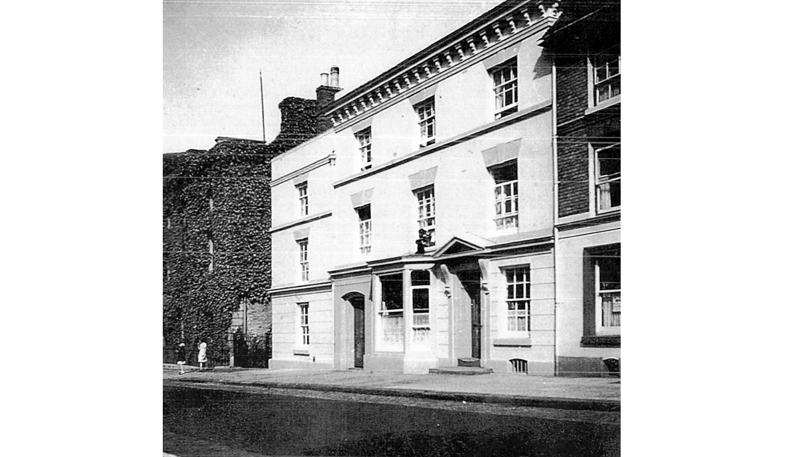
Tylers is a family business originally started in 1926 by the current owners’ grandfather. The business has changed from a bicycle shop in Bilston to selling batteries and accumulators, then valves, radios and TVs. From the 1950s we have been selling the domestic appliances that we are known for today, all whilst upholding the name and reputation of our grandfather. •