In the last few articles, I have concentrated on ‘living in or with care’ and all the wonderful experiences on offer, which is of course the reason why care homes, nursing homes, and agencies are here in the first place. As we approach the school holiday season, many frail people, who rely on family support, will be looking for short-term ‘respite’ care in places like Sambrook House.
Today, however, I thought I would look at the individual professionals who provide this vital service for society’s vulnerable, looking after the disabled, those with mental health issues or dementia, or the frail and elderly. Without the country’s professional carers there is no care industry.
I was prompted to write on this subject because of the Government’s announcement that they are stopping the sector’s preferential sponsorship for future foreign nationals.
A very rewarding career
I have said it many times, carers are amazing people who are compassionate, loving, incredibly well-trained in a large number of topics, and highly skilled. I am immensely proud of our team and how they conduct themselves in the interest of our/their clients.
Care work is often described as a vocation rather than just a job. It provides a rewarding career path for those with a genuine desire to support others, improve lives, and make a tangible difference. In a world increasingly focused on profit and productivity, the role of a carer stands out for its humanity, compassion, and profound personal rewards.
Becoming a carer is a career path that is hard work and often challenging, with yearly training in multiple subjects and the opportunity to gain professional qualifications. The continuous learning programme ensures that they remain current with legislation and courses like First Aid, Moving and Handling, Food Hygiene, Infection Control, Fire Safety, and Medication (to name but a few), all form part of the curriculum, which empowers them to deal effectively and correctly with any emerging situation. All very translatable life skills!
Career progression can take you from carer, all the way to Registered Care Manager, or it can provide a foundation for other health professions like nursing.
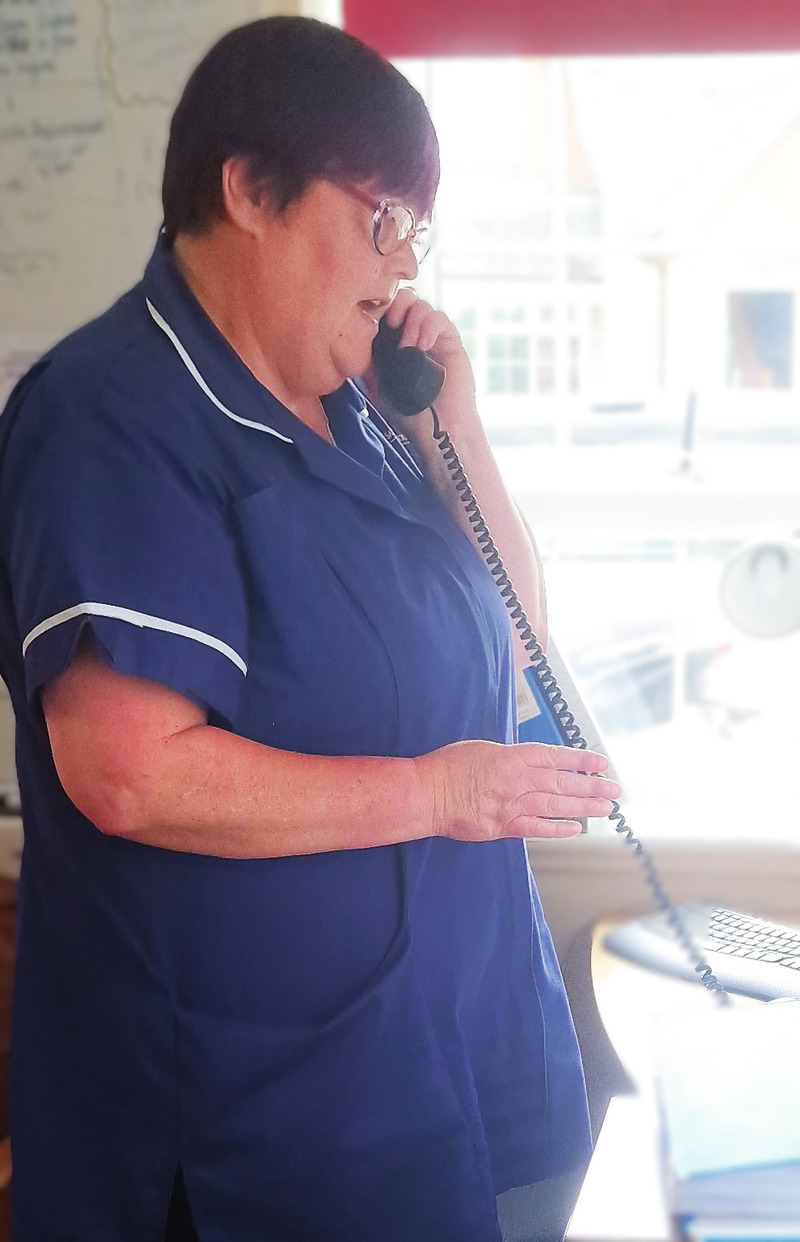
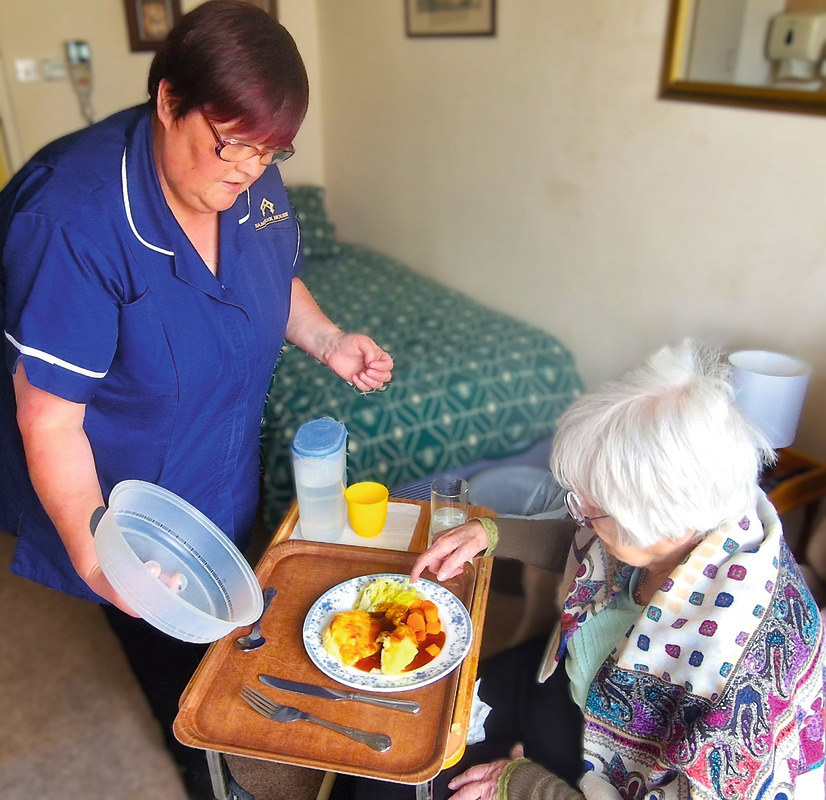
Days go quickly because they are busy including things like personal care tasks such as bathing, toileting, dressing, and mobility assistance (sometimes with the use of equipment like stand-aids and hoists), feeding, but everything comes with conversation and choice. In care, you will learn all about the world of medicines and how to administer them, how to support those with dementia or mental health conditions, and very importantly monitor for signs of illness or distress, alerting other health professionals early if concerned. Good communication skills are essential—not just to speak clearly, but to listen, comfort, and build trust.
Carers are very special people; they work in care because they want to look after and improve the lives of others, and they are interested in people.
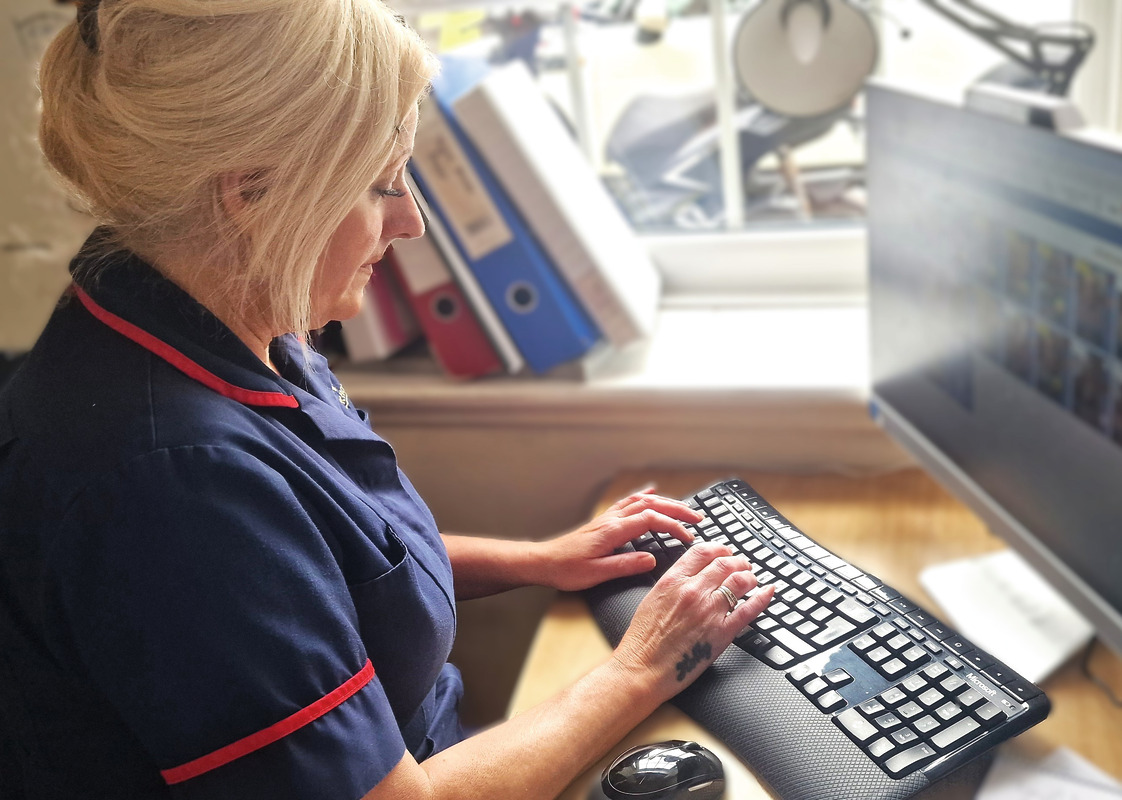
Professional carers must also understand safeguarding, confidentiality, GDPR, infection control, and health and safety procedures and the legal framework under which they operate. Record-keeping and teamwork are vital, as is the ability to remain calm and respectful in challenging situations.
Beyond the technical aspects, carers must be emotionally resilient and genuinely empathetic. They often become a lifeline for the people they support, providing companionship, stability, and encouragement.
Our teams work long hours – 12-hour shifts – but it does mean that 3 days (or nights) equates to a 36-hour working week, so many will work 3 on and 4 off. It is also worth mentioning that all our carers have achieved NVQ 2 or NVQ 3 (professional qualifications), and for the majority, this has been their life-long career – because they love it!
If you are looking for a career that is stable and fulfilling, where you deliver a hands-on service to those who need it and appreciate it most, where every day you will know that you have made a positive difference in someone’s life, then I strongly recommend you consider ‘care’ in all its guises.
Knowing that each day you make a positive impact on the life of someone who needs you…what is more rewarding than that?
by Neil Robson, Director
Sambrook House Residential Care Home