Why gluedown LVT is fast becoming the preferred choice for modern interiors
 nova
26 April 2026
Luxury Vinyl Tile (LVT) has become one of the most popular flooring choices in recent years – and it’s easy to see why. It looks great, copes well with everyday life, and works in almost any room of the home. But while colour and design often get most of the attention, how the floor is installed plays a huge role in how it performs long term.
When choosing LVT, most people are deciding between gluedown and click-lock or rigid core systems. Both have their uses, but more and more homeowners are leaning towards gluedown LVT as the better all-round option.
What’s the difference?
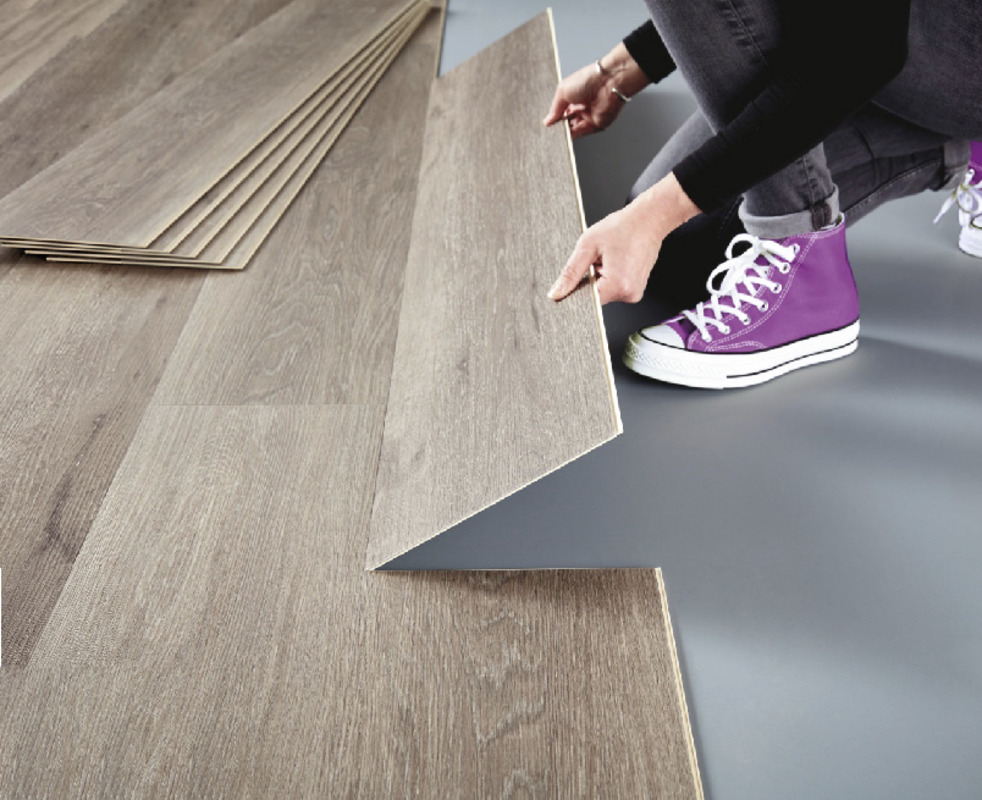
Click-lock/rigid core works a bit like a jigsaw. The planks click together and sit on top of the subfloor without being fixed down, hence it’s referred to as a floating floor. It’s quick to install and often appeals to DIY projects or smaller spaces.
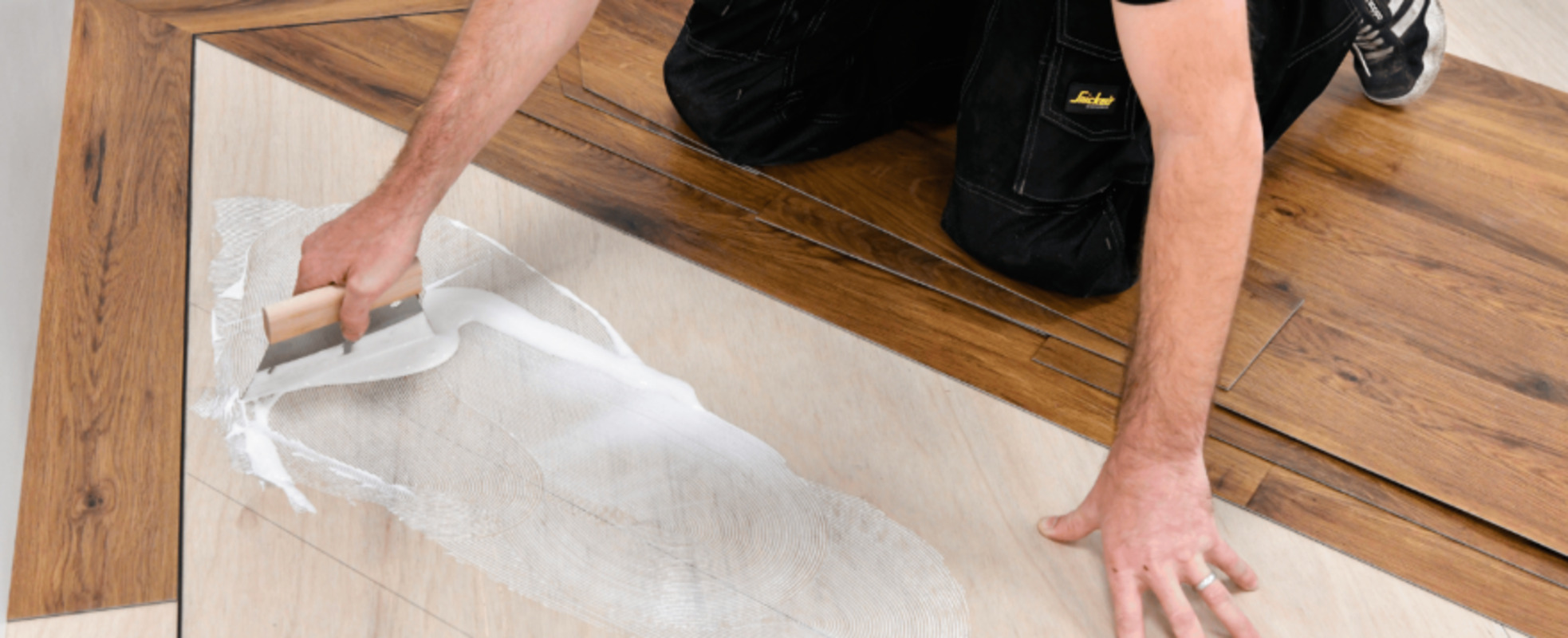
Gluedown LVT is installed by fixing each plank directly to the subfloor with adhesive. It takes a little more preparation and care, but the result is a floor that feels solid, secure, and properly finished.
That difference might sound small, but it becomes much more noticeable once the floor is in use.
A floor that feels more solid
One of the first things people notice with gluedown LVT is how stable it feels underfoot. Because the floor is fully bonded, there’s no flex or movement as you walk across it. It stays flat, doesn’t creak, and avoids that slightly hollow sound sometimes associated with floating floors.
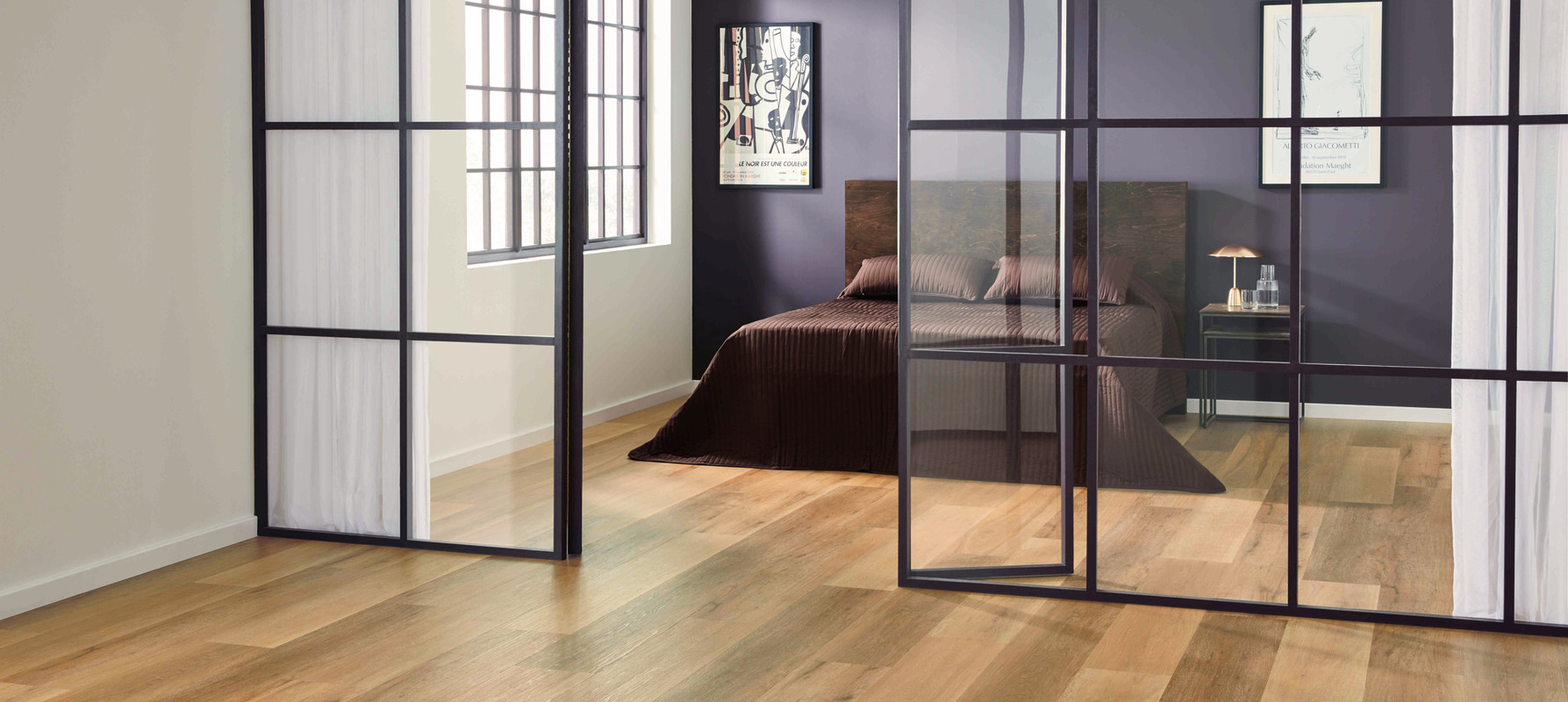
This is especially important in open-plan living areas, kitchens, and hallways – places where the floor gets used constantly. Gluedown LVT also allows for fewer breaks and transitions between rooms, giving the whole space a cleaner, more seamless look.
A more natural look and feel
Gluedown LVT tends to look and feel a little more ‘real’ once it’s installed. It sits closer to the subfloor, which creates a firmer walking surface and a quieter room overall.
Because the planks are thinner than click systems, gluedown LVT is also ideal for renovations where floor height matters – particularly when fitting alongside existing tiles, carpets, or door thresholds.
It’s a subtle difference, but one that adds up to a noticeably more polished finish.
Designed to handle everyday life
Floors need to cope with real life – children, pets, furniture being moved, and the general wear and tear of a busy home. This is where gluedown LVT really comes into its own.
It holds up well in high-traffic areas, keeps its shape over time, and is less likely to develop gaps or movement at the joints. And if a plank ever does get damaged, it can usually be replaced without lifting the entire floor.
While installation does need a well-prepared subfloor and a professional fitting, that extra care is what helps ensure the floor lasts for years to come.
Where click LVT still makes sense
Click-lock LVT certainly has its place. It can be a good option for spare rooms, quick updates, rental properties, or where a faster installation is needed.
However, because it’s a floating system, a small amount of movement is inevitable. Over time, this can affect how the floor sounds and feels – particularly in larger or busier areas of the home.
Why we recommend gluedown LVT
When customers ask us which LVT we trust most, our answer is usually gluedown – and it’s for a very simple reason: it performs better over time.
Because gluedown LVT is fixed firmly to the floor beneath, it feels more solid underfoot, stays flatter, and looks more seamless once installed. There’s no movement, no hollow sound, and no worry about planks shifting as the years go by.
For homeowners, that means peace of mind. A floor that feels comfortable to walk on, stands up to daily use, and still looks good long after it’s been fitted – especially in busy areas like living rooms, kitchens, and hallways.
Click-lock flooring can work well in certain situations, but when people want a floor that feels secure, lasts well, and gives a truly finished look, gluedown LVT is the option we recommend with confidence.
Final thoughts
Both gluedown and click-lock LVT can look great. The real difference comes down to how the floor feels and performs once you’re living with it.
Click-lock offers speed and convenience. Gluedown offers stability, durability, and a more refined finish that stands the test of time.
At Carpet Loom, we have a great selection of both, and we’re always happy to talk through the options with you to ensure you get the best result for your project.
Carpet Loom and Newport Beds